A practical, vendor-neutral guide for CIOs, IT directors, and digital workplace leaders evaluating SharePoint consulting partners in Australia — including a comparison...
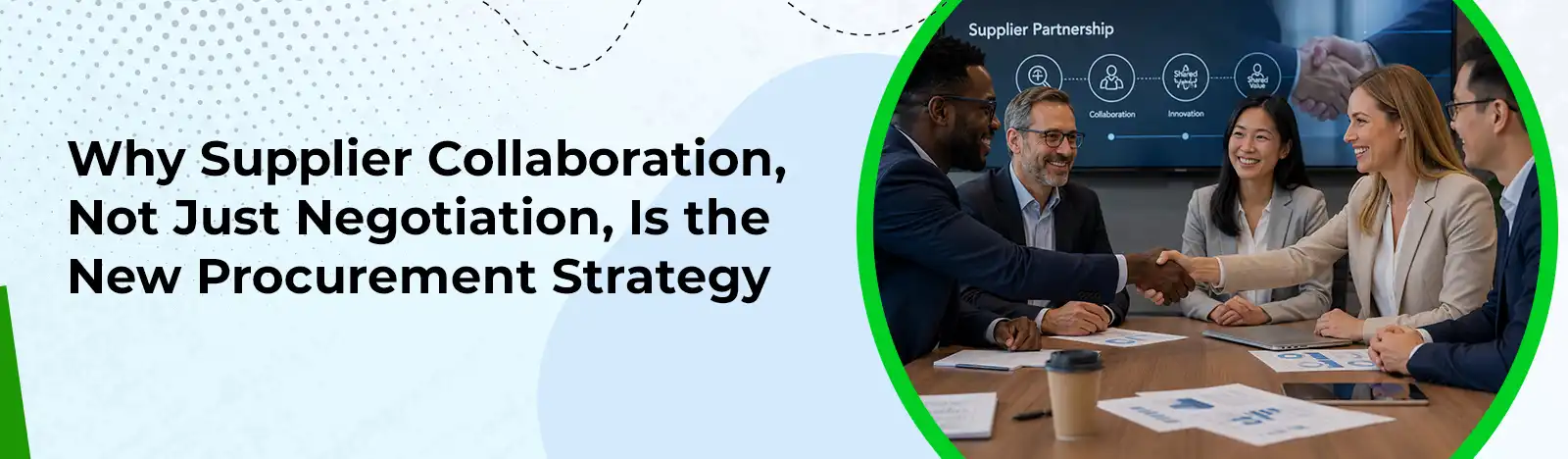
For many procurement teams, suppliers are still viewed as the party sitting across the table. The cost of that thinking shows up later. Compared to relationships built mainly around negotiation, collaborative supplier partnerships see as much as 20% fewer supply disruptions.
The Limitations of Negotiation-Driven Procurement
For years, procurement teams measured success in a fairly simple way: how much could be taken off the contract price. Lower unit costs, protect margins, then move on to the next category.
Back when supply chains were predictable and suppliers could be swapped with little consequence, that approach worked. Doesn’t exist today.
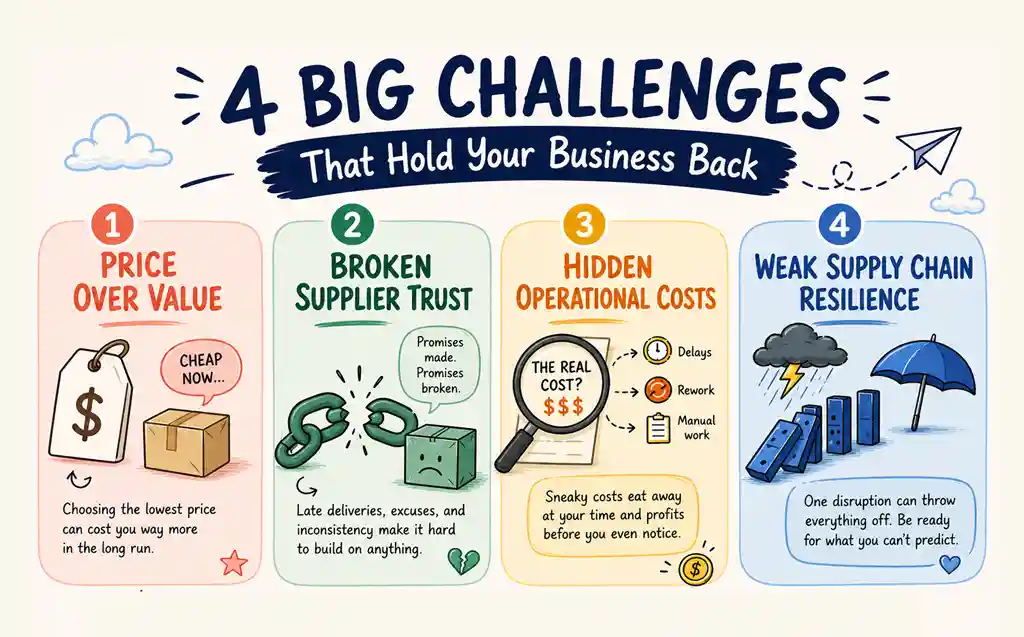
Price Over Value
When unit price becomes the primary target, everything else starts moving into the background. In many cases, quality standards are the first thing to give ground. Delivery timelines begin to slip. At the same time, suppliers may start making compromises that never make it into the conversation.
On paper, the savings can look straightforward. Six months later, though, operations is often left dealing with costs that were never visible during the sourcing process.
Broken Supplier Trust
Trust tends to disappear quickly when every contract discussion turns into a battle. Faced with pressure at each renewal cycle, suppliers naturally focus on protecting their own margins.
The result is usually less communication before problems emerge, less visibility into capacity constraints, and little reason for suppliers to bring new ideas to the table. Over time, the relationship settles into a purely transactional pattern and remains there.
Hidden Operational Costs
Switching vendors when a relationship breaks down is not cheap. Onboarding a replacement during a disruption can wipe out every cent saved in the original negotiation.
The real cost of fragile vendor relationships rarely appears in a sourcing report. It shows up later, in expedite fees, production halts, and emergency freight charges.
Weak Supply Chain Resilience
Procurement built on price pressure performs well when nothing goes wrong. The moment a disruption hits, whether geopolitical, environmental, or logistical, the gaps surface immediately.
Teams with no collaborative depth in their supplier base have no early warning system. And no goodwill to call on when they need flexibility fast.
Your supplier relationships deserve better than a spreadsheet and a price target.
What Is Supplier Collaboration?
Instead of being viewed solely as contracted service providers, vendors are treated as strategic partners when supplier collaboration is in place. Planning discussions, demand forecasts, and regular communication become part of the relationship from the start rather than something that happens only when renewal time arrives.
One approach starts with the question, “How little can we pay?” The other begins somewhere entirely different: “What can we build together?”
On the ground, it often takes the form of joint business reviews, shared performance scorecards, and bringing suppliers into product development earlier in the process.
With digital channels in place, those conversations remain visible, documented, and accessible to both parties. The objective is not generosity toward vendors. It is understanding where value is created across the supply chain and managing relationships accordingly.
Why Supplier Collaboration Is Becoming Essential
Supply Chains Are Under More Pressure
The environment procurement teams operate in today is structurally more volatile than a decade ago. What were once viewed as exceptional disruptions—geopolitical shifts, manufacturing realignments, carbon compliance requirements, and material shortages—have become part of the operating environment.
They are the operating baseline. Teams built entirely on price leverage have no buffer when conditions shift. Suppliers who trust you call with early warnings. Suppliers who do not, do not.
Innovation Is Coming From Suppliers
A surprising amount of product and process innovation starts with suppliers, something many procurement leaders tend to underestimate.
Vendors working with multiple buyers see patterns, materials, and solutions that internal teams rarely encounter. In relationships built around transactions alone, much of that knowledge never leaves the supplier’s side. It starts flowing when collaboration becomes part of the equation.
When innovation comes directly from suppliers, getting products to market often happens faster. You will not find these gains emerging from a one-off negotiation round. Instead, they build gradually through relationships where transparency and shared goals already exist.
Key Benefits of Supplier Collaboration
Cost Optimization Beyond Price
Some cost reductions only become visible through collaboration. Process inefficiencies, packaging waste, logistics consolidation, and payment structures that work for both sides rarely surface through negotiation alone.
The full savings picture usually comes into view only after both sides share enough information to understand what is actually happening across the operation.
Risk Reduction Through Shared Visibility
Suppliers inside your planning cycle flag capacity issues before they become crises. That early warning loop is what the negotiation-only model structurally lacks.
You cannot expect a vendor to protect your supply chain if your only contact with them is a price review every twelve months.
Stronger Relationships, Better Performance
When performance scorecards are built around shared data, accountability becomes easier to maintain. Everyone can see the target, and just as importantly, where things stand today.
With that level of visibility, discussions tend to focus on solving problems instead of arguing over contract language.
Beyond Intranet gives procurement teams the tools to turn supplier data into shared value, faster.
How Modern eSourcing Platforms Enable Collaboration
Coordination is where collaboration usually starts to break down. Without a shared system, conversations end up spread across emails, phone calls, and spreadsheets, making them difficult to track or audit later.
Rather than leaving supplier interactions scattered across different channels, modern eSourcing platforms bring everything into a single environment that is visible and easy to track.
Transparent Communication in One Place
A complete record becomes available when bid invitations, clarification requests, and proposal submissions all happen through the same platform. Every exchange is captured in one place instead of being spread across multiple systems.
No missed emails. No version confusion. No side conversations that bypass the official process. The audit trail builds itself.
Shared Data Both Sides Can Trust
Performance scorecards built from historical RFx data give suppliers clear feedback on how they are evaluated. Itemized Bidding formats show vendors exactly what is being assessed and why.
That transparency removes the opacity that makes supplier relationships adversarial. It replaces guesswork with a shared framework both parties can work within.
Faster Cycles, Greater Supplier Engagement
Compressing sourcing timelines actually increases vendor participation. When the process is structured, fair, and easy to navigate, more qualified suppliers engage with it.
That competitive participation drives better outcomes than a bilateral negotiation with a single incumbent every year.
How Beyond Intranet Supports Supplier Collaboration
Beyond Intranet’s supplier management software is built around one core idea: procurement teams should not have to choose between efficiency and relationship quality.
A Centralized Supplier Portal
Suppliers self-register, update their own profiles, and upload compliance documents through a dedicated vendor portal.
Procurement teams get a searchable, centralized repository with complete communication logs, certification status, and performance history. No duplicate records. No scattered inboxes.
Communication Logged by Default
Integrated chat functionality and real-time announcements keep internal teams and vendors aligned throughout every sourcing cycle.
Every message, announcement, and document exchange is automatically logged — replacing the email threads and side conversations that make supplier communication hard to audit later.
AI That Shows Its Work
Supplier scores are grounded in historical performance data and transparent evaluation criteria — delivery times, quality scores, and compliance metrics tracked through live KPI dashboards.
Procurement teams can see exactly why a vendor ranked where they did. Award decisions become defensible to stakeholders and visibly fair to suppliers. That fairness is what builds trust over the long run.
Built for Enterprise Trust
Beyond Intranet’s supplier management software is ISO 27001:2022 certified and runs natively on Microsoft 365 and SharePoint, integrating with Teams and Power BI — so supplier data stays inside the security perimeter your organization already trusts.
Results That Hold Up
Beyond Intranet’s Bid Management Software is rated 4.9 out of 5 by customers, with reported outcomes including a 50% reduction in bid cycle time, a 15% increase in bid win rate, and 70% fewer errors in the bidding process. MJH Life Sciences saved $90,000 in a single year after adopting the system.
Want to see how Beyond Intranet transforms supplier collaboration into measurable procurement results?
Your suppliers deserve a better process than email and spreadsheets.
Best Practices for Effective Supplier Collaboration
Set Joint Success Metrics Before Signing
Before the contract is finalized, both parties should have a shared understanding of what success actually looks like. Key performance indicators should cover delivery reliability, innovation contribution, and issue response time, not just unit cost.
Metrics that only one side cares about tend not to get taken seriously by the other.
Share Demand Forecasts Early
Suppliers who see your demand curve plan better. The impact of that planning becomes visible later through fewer stockouts, stronger pricing on long-term commitments, and a faster response when demand volumes change.
Keeping forecast information back for negotiating leverage often looks useful in the short term, but it rarely delivers the outcome teams expect.
Give Suppliers Problems, Not Prescriptions
Overly prescriptive RFPs lock suppliers into your assumptions. Present the business challenge you need solved and let qualified vendors propose their approach.
The answers are often better than what internal teams would specify, because suppliers understand their own capabilities more accurately than any buyer can.
Use Technology to Keep the Process Honest
Scaling collaboration becomes difficult without a structured platform, and maintaining a reliable audit trail becomes even harder.
When interactions are logged automatically, compliance alerts are generated as needed, and performance data is available in real time, procurement teams spend far less effort on administration. They give suppliers the transparency needed to engage with confidence.
Negotiation gets you a contract. Collaboration builds a supply chain that holds. The procurement teams winning today treat suppliers as partners in outcomes, not just vendors on a price list.