A practical, vendor-neutral guide for CIOs, IT directors, and digital workplace leaders evaluating SharePoint consulting partners in Australia — including a comparison...
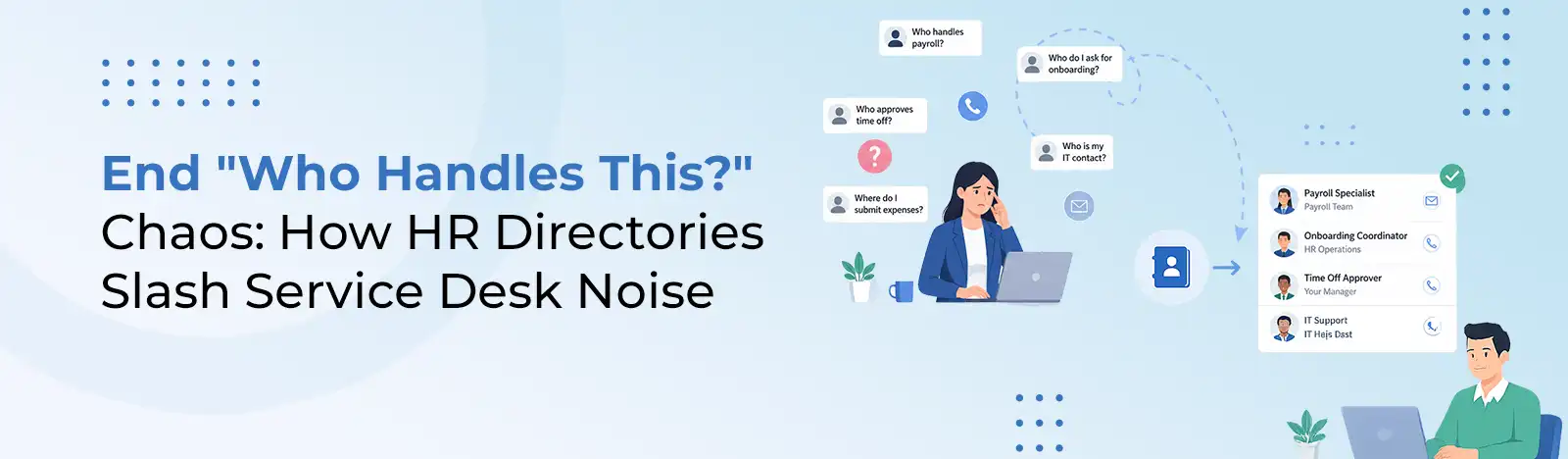
Think about your daily operations. Enterprise digital debt grows fast while supporting desks field endless routing questions. Implementing an employee directory shifts reactive ticket triage into proactive self-service. This smart approach recovers valuable administrative hours, allowing leaders to focus on compelling strategic execution and real operational growth.
Introduction
Consider the numbers affecting our teams today. Sixty-four percent of workers lack time for primary job functions due to unclear internal structures. Constant searching for internal contacts drains productivity globally. Deploying advanced employee directory software immediately resolves these roadblocks. It fundamentally improves how enterprises manage cross departmental communication and enforces vital structural transparency from day one.
The Hidden Cost of Too Many Tools
You have likely noticed workplace change remains intense across modern enterprises. Driving real efficiency requires closer cooperation between IT infrastructure and Human Resources strategy. Achieving complete structural transparency takes a concerted effort today.
Bypassing Disconnected Systems
As technology leaders, we know maintaining deep commitment toward digital innovation helps companies overcome disconnected systems. Desk workers often use multiple distinct applications daily to complete standard tasks. Having too many tools scatter essential employee data across completely disconnected databases.
The Ripple Effect of Interruptions
Consequently, staff members spend excessive time searching for basic information. When your employees cannot easily find designated process owners, they default to seeking human help. They interrupt direct managers or submit redundant service desk tickets.
Bridging the Communication Gap
We see routine routing questions sent via instant messaging platforms constantly disrupt deep work. As digital workplaces expand globally, finding correct points of contact requires far too much effort. Knowledge gaps degrade daily productivity and frustrate top talent.
The True Cost of Confusion
Every time team members stop to ask for directions, momentum halts. Multiply that tiny delay by thousands of employees across your entire organization. The resulting loss in operational momentum becomes a massive invisible expense on your balance sheet.
Deflecting Service Desk Noise Through Better Structures
Resolving severe operational bottlenecks requires robust staff directory software. Old routing models force your employees to submit vague requests directly into central support queues. Routine questions flood internal queues with basic Tier-1 tickets unnecessarily.
Moving Past Frustrating Processes
Think about common questions like “Who approves this software install?” or “Who is designated HRBP for our new team?” Manual triage takes immense human effort. Centralized support agents must receive tickets, identify request types, and route them manually.
Achieving Instant Issue Resolution
You already know this frustrating process adds days to resolution times. It prevents your highly skilled IT staff from tackling critical infrastructure improvements. Organizations implementing unified natively searchable platforms experience compelling efficiency gains almost overnight.
Empowering Proactive Self Service
Embedding accurate reporting structures directly creates a 45 percent reduction in Tier-1 processing time. Intelligent self-service tools intercept common questions before they become actionable tickets. Removing intermediary discovery steps achieves instant autonomous resolution reliably.
Transforming the Support Desk
Your service desk should handle complex technical escalations rather than basic contact routing. Shifting routine inquiries to self-service models fundamentally improves your support architecture. IT and HR teams finally gain essential breathing room to optimize core business systems.
Freeing Managers and HRBPs for High-Value Work
Management personnel often find themselves acting as human routers. Frontline leaders spend excessive hours answering basic procedural questions instead of optimizing team performance. Rebuilding human capital management demands transitioning HR into clear value creation leaders.
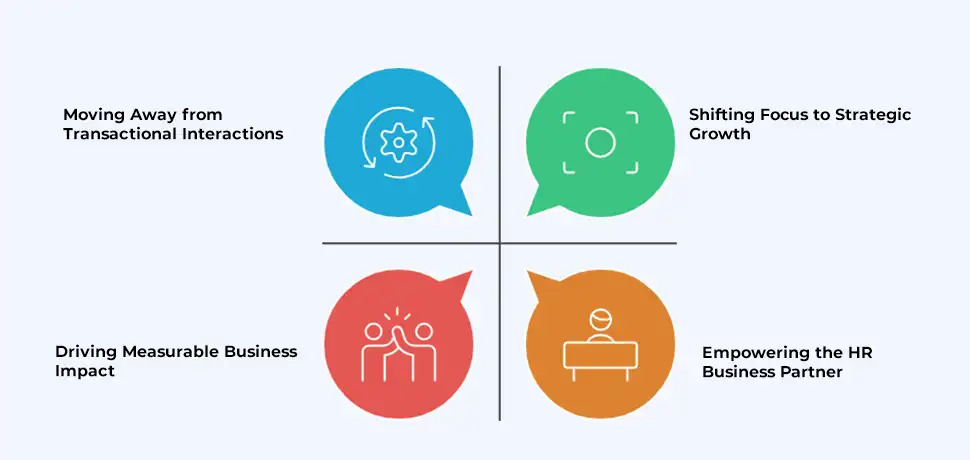
Moving Away from Transactional Interactions
Legacy operating models force HR personnel to spend most working hours managing purely transactional interactions. Modernizing HR delivery models powered by robust directory mapping provides immediate capacity recapture. Your HR leaders deserve tools that enable strategic focus.
Shifting Focus to Strategic Growth
Managers save up to 15 hours per month during first year of deployment. Liberated from providing basic directory services, HR Business Partners execute lucrative strategic mandates. They focus on integrated talent management and proactive succession planning.
Driving Measurable Business Impact
Generating real operational leverage relies entirely upon routing automation. Executing transformative work becomes physically impossible if staff remain perpetually consumed by repetitive routing questions. Shifting focus on proactive strategy drives measurable business growth effectively.
Empowering the HR Business Partner
When HRBPs step away from administrative triage, they become true strategic advisors to your executive team. They analyze workforce trends and deploy targeted retention strategies. This transition elevates entire human resources functions within your enterprise.
Eliminating Confusion: Core Operational Use Cases
Generic address books fail to capture complex global enterprise realities. Advanced employee directory application deployments succeed by showing highly contextual details. Analyzing common pain points reveals exact ways custom fields accelerate organizational agility. Let us look at how clear access prevents operational standstills.
Matrixed HRBP Allocations: Multinational enterprises feature highly complex reporting lines. Filtering SharePoint employee directory instances by department and region allows instant HRBP identification. Clear structures reduce discovery delays from days to mere seconds effortlessly.
Performance Process Owners: Annual review cycles generate intense procedural anxiety for staff. Employees flood support desks asking about calibration leads. Searching specific cyclical tags connects employees directly with designated process owners quickly.
Localized Benefits and Compliance: Global organizations navigate complex regional labor laws daily. Hyper targeted discovery bypasses central triage entirely. Employees filter global databases by specific criteria to ensure rapid statutory compliance guidance accurately.
Local HR Contacts: Remote workers require immediate access to localized support systems. Hard linked local HR representative fields proactively route inquiries. Connecting remote staff directly with dedicated representatives significantly enhances digital employee experience.
Powering Talent Ecosystems with Custom Data
Navigating enterprise infrastructure requires powerful technological foundations. Integrating an advanced HR Directory engineered for Microsoft 365 attacks information roadblocks at their root. Continuous auto synchronization with Entra ID guarantees impeccable data accuracy constantly.
Unifying the Employee Experience
Natively embedding this solution within Microsoft Teams eliminates mental switching costs completely. Centralized systems allow companies to check employee information anytime from any device. Unifying employee information makes daily administration simpler and highly effective.
Highlighting Hidden Workforce Skills
Administrators easily configure custom profile fields including skills and specific HR role mapping. Modern talent management relies heavily on organizational agility. By making hidden workforce capabilities fully visible, companies support a 6 percent increase in internal mobility.
Fostering Autonomous Connectivity
Employees search based on operational problems rather than exact names. Visualizing enterprise hierarchy through interactive organizational charts empowers employees to identify decision makers autonomously. Syncing with Microsoft Teams creates better connected workplaces globally.
Establishing Definitive KPIs for Directory Deployments
Justifying technology investment requires establishing rigorous metrics. Tracking transition from manual routing to autonomous discovery demands precise KPI frameworks. As leaders, we must evaluate outcomes beyond basic implementation metrics to understand true ROI.
Service Desk Ticket Deflection Rate: Measure year over year reduction in specific HR contact requests. Target substantial deflection for basic routing inquiries to reduce IT operational overhead permanently.
Managerial Capacity Recapture: Assess time spent on administrative routing tasks. Recapture critical hours monthly per manager to increase frontline engagement and improve direct report coaching sessions.
Time to Productivity: Track volume of tickets generated by new hires during onboarding phases. Accessible knowledge systems accelerate onboarding ramp up periods significantly, maximizing initial payroll investments.
Conclusion
Organizations ready to digitize workplace connectivity must modernize employee directory software immediately. Unified platforms harness familiar interfaces while leveraging robust features to revolutionize workplace productivity. Removing structural confusion drives faster decision making effectively.
Building stronger corporate cultures requires comprehensive tools. To further unify organizational collaboration, leaders must also consider integrating Employee Onboarding and Offboarding, Desk Booking, and Workspace Management solutions to create seamless digital environments.