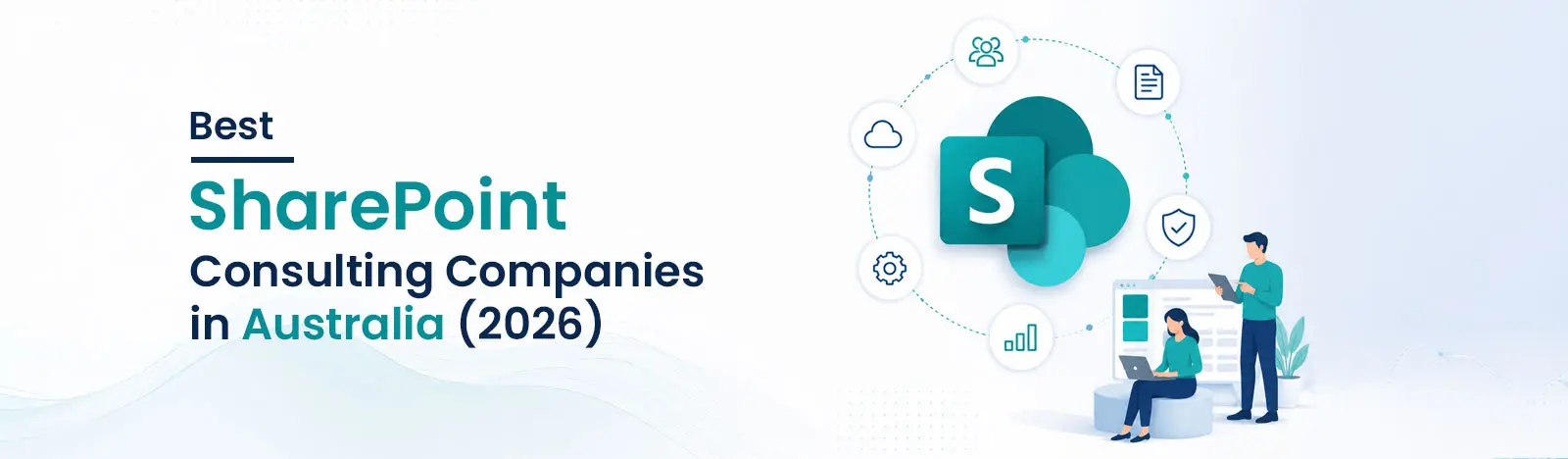
A practical, vendor-neutral guide for CIOs, IT directors, and digital workplace leaders evaluating SharePoint consulting partners in Australia — including a comparison...
Quick answer: A SharePoint AI Readiness Assessment is a structured evaluation of a Microsoft 365 tenant’s governance, information architecture, content...
TL;DR: Executive turnover brings real business risks. Poor early support hurts team momentum and slows growth. Using solid HR onboarding software speeds up new leader success, ensures they fit company culture, and protects business strategy. Secure leadership hiring with clear plans.
Introduction
Let us get straight to the numbers. Fifty-six percent of leaders might leave within two years, with twenty-seven percent exiting in six months, according to Gartner. This fast turnover threatens long-term company growth.
To lower such severe business risk, we must drop basic training. Adopting complete HR onboarding software is how we guide new executives, protect company culture, and boost early success.
The Risk of Poor Executive Onboarding
Navigating Modern Business Changes
Today’s business climate asks for clear teamwork from all of us. We deal with quick changes, tight budgets, and shift workforce needs every single day.
The Cost of Cultural Mismatch
Bringing in new leadership cannot remain a simple paperwork task. When new executives fail to blend into company culture, it creates costly risk for everyone involved.
High-Pressure Leadership Roles
Bad cultural fit spreads fast across departments, lowering output and stopping business momentum. New leaders step into high-pressure roles, and expecting them to figure things out in busy spaces increases their chance of failure.
Avoiding Early Executive Burnout
Tired teams cannot always offer natural coaching to these new hires. Microsoft shares that eighty percent of workers lack time or energy to meet growing demands right now.
Stopping Slower Starts
Executives left alone face isolated choices, quick burnout, and early exits. High failure rates happen when companies fail to pass down vital institutional knowledge.
Handling Complex Team Needs
Slower starts hurt top-line revenue directly, which is something none of us want. Organizations need simpler systems to handle complex team needs and protect the bottom line.
Why Leadership Onboarding Needs More Than Introductory Meetings
Moving Beyond Basic Training
We have all seen the old executive training playbook, which relies too much on quick intro meetings and static slide decks. This approach misses what modern enterprise leaders actually need to succeed.
Preventing Blind Strategy Moves
Complex companies depend on teams working together and sharing resources fast. Basic training leaves incoming leaders working blind, and relying on guesses from past jobs guarantees a bad strategy match.
Active Planning Over Passive Reading
Modern companies require clear views of their tech setup. Workers pick up new tools fast, sometimes skipping official rules entirely.
Changing Leadership Habits
Using a specific employee onboarding platform changes leadership training from passive reading to active planning. A few meetings will never build the deep network needed to change company habits.
Supplying Crucial Business Context
Leaders need clear details on risk limits, financial rules, and data security protocols. Weak support leaves executives missing crucial context needed to succeed in new corporate spaces.
Replacing Guesswork with Steps
Protecting strategy means giving leaders deep, useful facts before they make binding choices. A better approach replaces guesswork with clear daily steps that actually work.
Managing Alignment with Structured Software Tracks
Building Distinct Executive Paths
Forward-thinking companies drop manual tasks and choose better platforms. Setting up structured human resources onboarding software builds distinct executive paths that look very different from standard new hire steps.
Removing Paperwork Friction
Automated flows handle tricky compliance needs easily for all teams. Taking away paperwork friction lets incoming leaders focus fully on highly valuable business goals.
Tracking Clear Business Goals
At the center sits a digital 30/60/90-day business plan. Clear tracking links early learning directly to company timing, mapping this journey out smoothly.
First Thirty Days: Software manages a guided tour of how things actually work, giving custom training built just for that specific role. New leaders meet cross-functional teams easily, and building early relationships ensures they match company vision right from the start.
Middle Thirty Days: Focus shifts to real business goals. Executive builds their first plans, while built-in tracking checks how well they connect with key internal staff. Feedback loops set clear performance targets before big projects begin.
Final Thirty Days: Plans are put into action. Focus moves directly to doing the work and moving resources efficiently. Platforms connect final goals with company performance boards so leaders can skip manual checks.
Unlocking Compelling Financial Benefits
Using solid HR onboarding software brings compelling financial benefits to the table. Forrester notes companies using complete automated setups see a thirty percent efficiency boost by year three.
Saving Valuable Manager Time
Hiring managers save valuable time per session because tech sets up basics automatically. This lets everyone get back to their core work faster.
Understanding Team Structures Using Directory Systems
Mapping Informal Team Networks
It is no secret that failing to quickly map informal team networks causes hidden executive failures. Corporate spaces run on complex social circles of trust that new leaders must learn.
Driving Success in Remote Work
Trusting only flat organizational charts leaves new leaders blind to how work actually gets done. Informal support groups drive executive success, but remote work makes natural relationship building much harder.
Deploying Smart Directory Systems
Modern platforms fix these gaps using a smart HR Directory setup. Better directory systems go far beyond a basic company phonebook.
Visualizing Actual Working Reality
They work as smart databases helping new leaders see the real human structure. Interactive maps show actual working reality, helping executives spot key team members holding real influence.
Filtering Key Company Links
Systems point out exact groups needed to approve budget choices easily. Directories show how specific business units link with finance, human resources, and operations.
Stopping Costly Cultural Mistakes
Smart search tools allow filtering by department and job title in seconds. Clear team mapping stops cultural mistakes, as executives know exactly who to ask before suggesting big changes.
Keeping Top Talent Confidently
Making formal introductions builds trust faster than leaving things to chance. LinkedIn research shows mature companies using strong custom programs are seventy-one percent more confident in keeping top talent.
Taking Guesswork Out
Using a clear HR Directory takes guesswork out of executive starts. It sets them up to succeed without the usual friction.
Driving Business Impact and Faster Results
Bringing Real Business Wins
So, what is the bottom line here? Moving to clear software-managed tracks brings real business wins for the whole organization.
Avoiding Stalled Project Costs
Main success markers include faster results and keeping team energy high. Cutting unforced errors protects company value, as executives needing twelve months to learn cultural rules bring massive cost.
Improving Project Success Rates
Stalled projects hurt market positioning for the entire enterprise. Shortening executive learning curves impacts budget speed directly, while clear plans improve project success rates.
Creating Top-Line Revenue Impact
Leaders make smart business shifts quarters earlier thanks to simpler steps. Faster work creates a massive top-line revenue impact that we can all appreciate.
Controlling Hidden Business Risks
Structured executive onboarding tools act as a vital risk control method. Executive mistakes break quiet cultural rules, and forcing redundant tools without team backing creates massive internal friction.
Securing Long-Term Company Growth
Required rule training protects companies from legal, and business risks tied to bad executive choices. Connected leadership keeps teams stable, saves company knowledge, and drops turnover.
Building The Executive Track With Smart Platforms
Meeting Custom Leadership Needs
If we want a good integration plan, we need the right tech to work well. Beyond Intranet offers exact tools required to support a dedicated executive track.
Rolling Out Flexible Guides
Knowing leadership needs vary; the platform lets companies build custom plans matching specific C-suite requirements. Smart templates allow rollout of standard yet highly flexible guides.
Automating Necessary Daily Tasks
Templates map out critical paths for the first ninety days clearly. Clear connected steps ensure a disciplined pace, and finishing rule modules automatically start next phases.
Spotting Risks Before Turnover
System pulls together necessary tasks on its own, saving countless admin hours. Clear tracking gives real-time views into executive progress, which is a huge advantage.
Empowering Early Executive Help
Data-driven choices spot risks before they turn into costly turnover. Dashboards offer quick updates to fix issues early, and tracking engagement empowers early help.
Securing Expensive Leadership Hires
Market tolerance for long executive learning times has vanished. Using clear tracks powered by smart HR onboarding software secures expensive leadership hires.
Delivering Top Business Value
Protect company culture, unite executive teams, and ensure new leaders deliver top business value from day one. Let us give them the support they truly need to win.
Conclusion
Executive transitions carry real risk, but smart technology changes that. Deploying employee onboarding platforms protects strategy, preserves company culture, and ensures leaders succeed from day one. Stop using outdated checklists. Invest in structured HR onboarding software today to secure vital leadership hires confidently and quickly.