A practical, vendor-neutral guide for CIOs, IT directors, and digital workplace leaders evaluating SharePoint consulting partners in Australia — including a comparison...
Quick answer: A SharePoint AI Readiness Assessment is a structured evaluation of a Microsoft 365 tenant’s governance, information architecture, content...
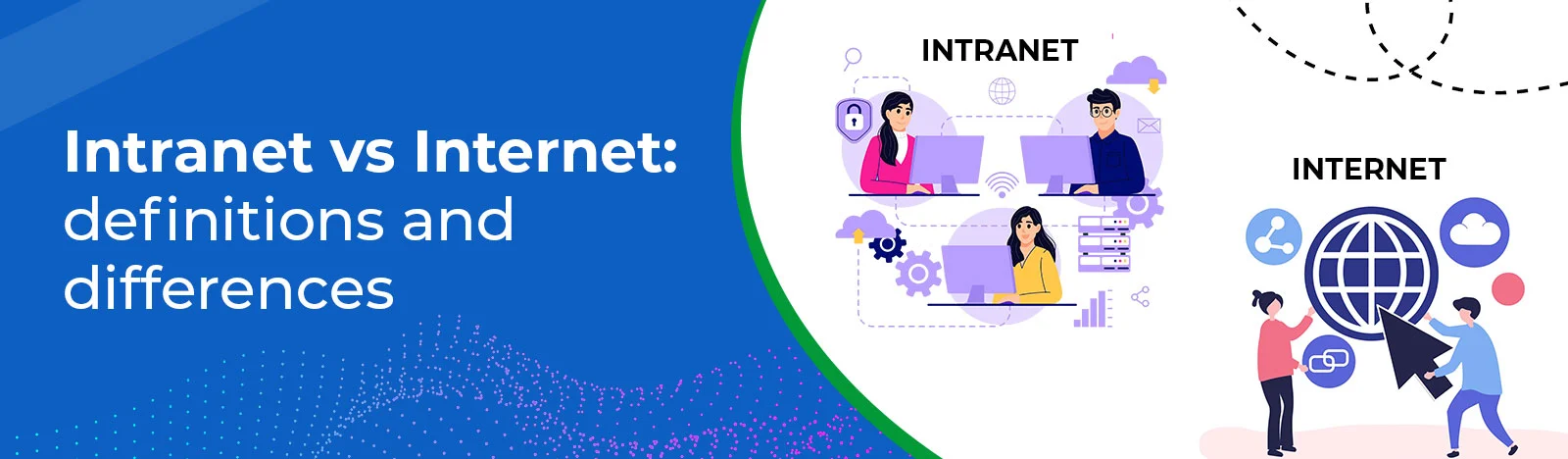
The intranet and the internet are two foundational networks powering modern businesses. Although the terms sound similar, they serve very different purposes.
Understanding the difference between an intranet and the internet helps organizations improve communication, secure internal data, and choose the right digital tools for collaboration.
Quick Answer: What Is the Difference Between Internet and Intranet?
The internet is a global public network that connects billions of users worldwide, while an intranet is a private internal network used by organizations for secure communication, collaboration, and business operations.
What Is an Intranet?
An intranet is a secure, private network used within an organization to support internal communication, collaboration, and knowledge sharing.
Think of an intranet as a company’s digital workplace hub, where employees can access:
Documents
Company policies
Announcements
Project tools
Internal directories
Many modern intranets are built using platforms like Microsoft SharePoint.
Key Features of an Intranet
Private access: Only authorized employees can log in
Secure collaboration: Protected by authentication and firewalls
Centralized operations: One platform for internal workflows
Highly customizable: Designed to fit company needs and branding
The internet is a worldwide communication network that allows people and devices to connect, share information, and access services from anywhere.
It is the infrastructure behind the World Wide Web (WWW), emails, cloud platforms, online applications, and digital communication tools.
Example of the Internet in Daily Life
A person in Australia can instantly connect with family in the United States through:
Messaging apps
Video calls
Social media
Websites
All you need is an internet-enabled device and a connection.
Key Features of the Internet
Public access: Anyone with a device can use it
Unlimited global reach: No geographical limits
Open platform: Supports websites, apps, email, and cloud services
Foundation of modern technology: Cloud computing, AI, IoT, and SaaS depend on it
Intranet vs Internet: Comparison Table
Feature
Internet
Intranet
Access
Public
Private (restricted)
Audience
Global users
Employees/internal teams
Ownership
No single owner
Owned by an organization
Security
Lower (public network)
Higher (firewalls + authentication)
Purpose
Worldwide information sharing
Internal collaboration + operations
Customization
Limited
Highly customizable
Intranet vs Internet: How Do They Differ?
Let’s break down the major differences clearly.
1. Access
The internet is open to everyone.
An intranet requires employee login and permission-based access.
Only authorized users can view, edit, or share intranet resources.
2. Security
Because the internet is public, it is more exposed to cyber threats.
In contrast, intranets are protected using:
Firewalls
Encryption
Authentication controls
Role-based permissions
This makes intranets ideal for storing sensitive business data.
3. Audience
The internet serves billions of users worldwide.
An intranet is limited to a specific organization or workforce.
4. Purpose
The internet is designed for:
Public information access
Global communication
Online services
An intranet is designed for:
Employee collaboration
Internal announcements
Document management
Streamlined business workflows
5. Customization
Internet platforms offer limited customization.
Intranets can be tailored to:
Company branding
Industry compliance needs
Team workflows
Employee experience enhancements
Internet Use Cases vs Intranet Use Cases
Common Internet Use Cases
Online banking
Social media communication
Cloud-based software access
Public websites and e-commerce
Common Intranet Use Cases
Employee onboarding portals
HR policy sharing
Internal project collaboration
Central document repositories
Company-wide news and updates
Why Intranets Are Essential for Modern Workplaces
With growing competition and hybrid work environments, businesses need a structured digital workplace.
Relying only on emails and disconnected tools often leads to:
Miscommunication
Document duplication
Workflow delays
Reduced productivity
An intranet solves this by acting as a single source of truth for the organization.
Benefits of Investing in an Intranet Platform
Here are the key business advantages of using an intranet:
1. Centralized Employee Hub
An intranet keeps employees informed through:
Newsrooms
Announcements
Company directories
Department updates
2. Improved Collaboration
Employees can collaborate on projects by:
Sharing documents securely
Managing tasks in one place
Reducing email dependency
3. Faster Resource Access
No more searching through long email threads.
Everything from templates to policies is stored centrally and searchable.
4. Stronger Data Security
Unlike paper files or unsecured email attachments, intranet data is protected through:
Encryption
Permission controls
Secure cloud access
5. Cost and Time Savings
Intranets reduce:
Printing costs
Manual reporting
Administrative overhead
Repetitive communication
What Makes a Good Intranet?
If you’re evaluating intranet software, look for these features:
User-friendly interface
Mobile accessibility
Scalability for growth
Custom branding options
Compliance-ready security
Document management tools
News and communication modules
SharePoint: A Leading Platform for Building Company Intranets
Microsoft SharePoint, part of the Microsoft 365 ecosystem, is one of the most widely used intranet platforms.
It supports:
Custom intranet site creation
Secure file storage
Team collaboration spaces
Integration with Power Apps, OneDrive, and Power BI
Employee engagement features
SharePoint intranets help create a more informed, connected, and productive workforce.
Conclusion on Intranet vs Internet
Internet Connects the World, Intranet Connects the Workplace
The internet is essential for global connectivity and modern technology.
The intranet, however, is what helps organizations operate efficiently internally by improving:
Collaboration
Communication
Document management
Security
Productivity
For businesses still relying on manual processes, investing in a modern intranet platform can unlock faster decision-making and streamlined operations.
No. A VPN (virtual private network) is neither an intranet nor an extranet. Instead, it creates a secure, encrypted connection over the internet, enabling safe data transfer between devices. A VPN is often the tool employees use to access the intranet remotely — it is the tunnel, not the destination.
If your organization wants a secure, scalable intranet for collaboration and employee engagement, platforms like SharePoint can deliver powerful results.
Both use the same foundational protocols. TCP/IP is a suite of communication protocols used to interconnect network devices on the internet. TCP/IP is also used as a communications protocol in a private computer network — an intranet or extranet. The difference is not the technology but the network boundary within which it operates.
An intranet is restricted to employees inside an organization. An extranet extends limited, controlled access to trusted outside parties such as suppliers, clients, or partners. Both are private networks, but an extranet deliberately opens a portion of internal resources to specific external users under strict access controls.
About Author
Bhupendra Singh
Bhupendra is a Digital Transformation Expert and Microsoft 365 Consultant who helps organizations modernize the way they work using the Microsoft 365 suite of services. As a Microsoft Certified Teams Administrator Associate, with credentials in Microsoft 365 Fundamentals and the Microsoft Service Adoption Specialist assessment, he combines technical expertise with adoption strategies to drive meaningful business change.