A practical, vendor-neutral guide for CIOs, IT directors, and digital workplace leaders evaluating SharePoint consulting partners in Australia — including a comparison...
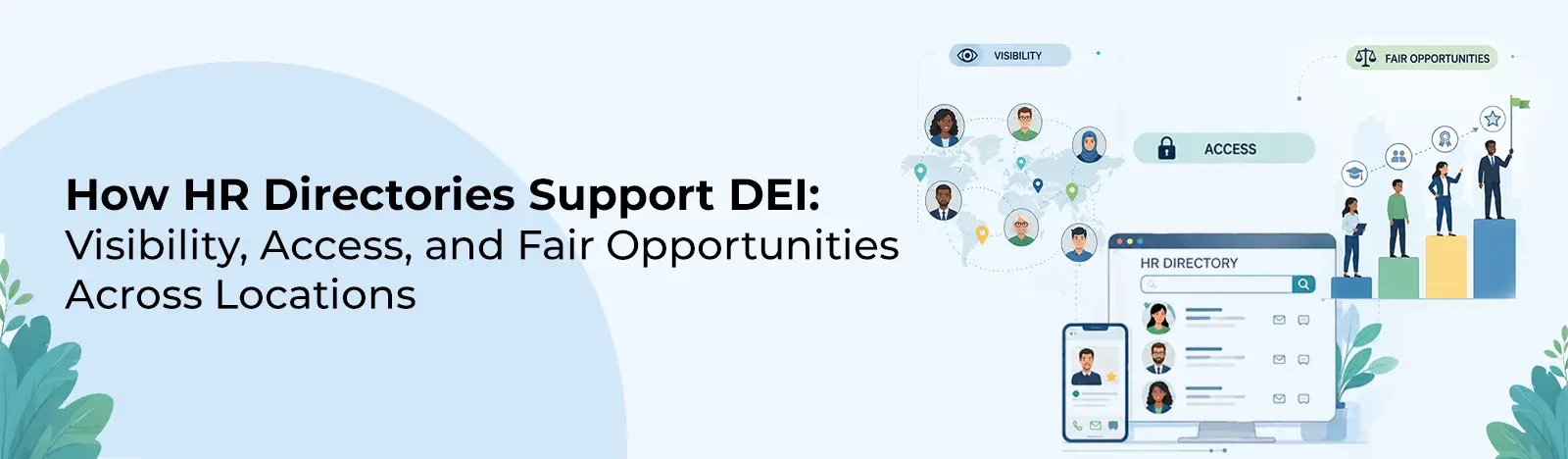
Global teams need real visibility to connect overlooked talent to important projects. Using advanced employee directory software removes location bias, highlights cultural contributions, and provides clear internal mobility metrics. This simpler approach ensures fair access while maintaining strict data privacy.
Introduction
Currently, fewer than 20 percent of leaders believe they can move talent based on specific business needs. We clearly need smarter solutions. Rolling out reliable employee directory software stops people from being hidden by distance.
This setup ensures diverse talent gets fair chances at top global opportunities, formal sponsorship, and cross-functional teams across all our remote offices.
The Visibility Challenge for Underrepresented Talent
Navigating Remote Workforces
We know recent business shifts completely changed how we manage people. We face constant pressure to deliver better results with teams spread across the map. While remote work brought better work-life balance, it unfortunately created new hurdles for equal access across teams.
The Distance Penalty
Let us think about the distance penalty for a moment. In spread-out companies, visibility often rewards people sitting physically close to the main office. Remote work and local hubs accidentally isolate underrepresented employees, completely removing them from our daily view. This lack of visibility severely slows down career growth.
Overcoming Internal Roadblocks
We also see middle managers making it hard to move talent internally. They often keep top performers, protecting their own team’s output over broader company success. When managers hold onto their best people, diverse talent struggles to find new internal roles that match their growing skills.
Closing the Ambition Gap
As a result, women and minority groups face noticeable ambition gaps. As IT and HR leaders, we must recognize that these built-in blind spots represent a massive failure in how people move up inside the company. Building fairer systems naturally starts with better technology.
Unlocking Global Potential
Information technology infrastructure holds the main responsibility for fixing this friction and creating equal access for everyone. By updating how we view our workforce, we can turn disconnected global teams into highly engaged talent pools. In fact, closing these demographic gaps could unlock an incredible 12 trillion dollars in global GDP.
Structuring Profiles Around Skills Using Employee Directory Software
Moving Beyond Basic Job Titles
Older systems categorized our people by rigid titles. We can agree this basic approach is no longer effective for fast-changing job markets. The demand for new skills moves much faster than existing talent structures can handle. Today, we must build global teams around specific verified skills rather than old job titles.
Capturing Real-Time Talent Data
A dynamic people directory expands employee profiles to capture real-time talent data. Profiles clearly document hidden skills, cross-location career goals, and Employee Resource Group affiliations. Openly highlighting ERG leadership turns cultural contributions into highly visible company value.
Unlocking Internal Potential
Moving toward skills-based opportunity matching delivers clear advantages for our organizations. When we use better systems, we improve workforce capabilities dramatically:
Expand Internal Talent Pools: This approach canexpand internal talent pools by a factor of 10. We rely less on expensive external hiring and more on internal growth.
Bypass Rigid Filters: Technology leaders deploying staff directory software bring high-promise candidates from diverse backgrounds to the surface automatically.
Value True Potential: Innovation makes scaling inclusion smooth and highly effective. This approach ensures employees feel valued for their potential, not just past job titles.
Building Fair Project Staffing Architectures
Eliminating Location Bias
Think about how high-visibility assignments usually rely on location bias for staffing. Executive leaders frequently pick individuals in their immediate areas, leaving highly capable diverse talent in secondary offices behind. Advanced employee directory software acts as an open internal market.
A Clear Internal Market
It replaces casual networking with clear, data-driven approaches to find the right people for specific jobs. Project leaders search enterprise directories to build cross-functional teams based on required skills and availability, completely dropping outdated habits.
Achieving Talent Speed
Organizations using high-visibility platforms achieve much better talent speed. We align talent to rapidly changing business goals with clear speed. Opening up discovery ensures cross-location team building depends strictly on capability and strategy.
Real World Application
For example, a mid-level analyst working out of a regional office tags their profile with an interest in new important projects. They become instantly visible alongside senior candidates in the main office. This guarantees fair project staffing across the board. Technology removes the guesswork from internal hiring, allowing managers to build diverse teams in minutes.
Empowering Governance with Beyond Intranet Solutions
Navigating Data Privacy Needs
Capturing sensitive demographic data and group ties introduces strict data privacy rules. European and California privacy laws place clear limits on collecting protected personal information. We must balance global visibility with strict privacy rules.
Protecting User Information
IT teams need solutions that protect user data while still giving HR the insights needed to drive inclusion. Setting up a reliable Beyond Intranet HR Directory provides the exact features needed to resolve this tension.
Encouraging Voluntary Participation
Platform features include voluntary custom fields allowing employees to fill out profiles at their own pace. Users add unlimited information to employee profiles including skills, hire dates, interests, and custom fields. This puts power in the hands of employees, building trust and ensuring more people participate.
Role Based Visibility Controls
Segmented role-based views limit the visibility of sensitive profile data based strictly on the viewer’s company role and permission level. Project managers searching our secure sharepoint employee directory instances see verified skills and timezone availability.
Preventing Unconscious Bias
System views actively block demographic markers to prevent unconscious bias during early selection phases. Authorized compliance officers access specific demographic data to audit project assignments and ensure fair targets meet required standards. This creates secure, compliant environments that leadership can truly trust.
Tracking DEI Key Performance Indicators
Moving Beyond Basic Headcount
Basic headcount numbers completely fail to capture whether underrepresented talent actually blends into core business functions. To see true business value, we utilize employee directory software data to monitor advanced Key Performance Indicators.
Critical Metrics for Diverse Workforces
These metrics provide clear pictures showing how well our organizations support diverse workforces. By using employee directories, we track several critical areas:
Internal Mobility Velocity: This measures how fast diverse talent successfully moves into new full-time roles or high-visibility task forces. Strong internal mobility frameworks tie directly to lower turnover rates among high-performing staff. Keeping top talent engaged saves companies significant turnover costs.
Cross Location Team Composition: This tracks the geographic mix of strategic teams formed via directory searches. High cross-border participation proves platform visibility features work effectively to surface global talent. It shows companies truly operate as unified global teams.
Career Impact of ERG Leaders: This compares the promotion rates of tagged ERG leaders against baseline company averages. Formalizing invisible work ensures cultural efforts translate into fair upward mobility. Organizations with mature inclusion practices achieve high participation rates where81.2 percent of employees actively agree the culture is inclusive.
Conclusion
Passive approaches to diversity and inclusion simply fail to deliver real business returns. Moving from static record systems into dynamic internal talent marketplaces opens doors for corporate opportunity. When overlooked talent becomes visible, skills are verified, and career goals are matched instantly to company needs, ambition gaps naturally close.
Securing Competitive Advantage
Internal mobility speeds up, providing clear workforce efficiency and lasting competitive advantages in global markets. Innovation scales teamwork efficiently. We possess the technological advancement to prove technology fixes built-in unfairness. Modern business demands nothing less than fully connected, visible, and empowered workforces.