A practical, vendor-neutral guide for CIOs, IT directors, and digital workplace leaders evaluating SharePoint consulting partners in Australia — including a comparison...
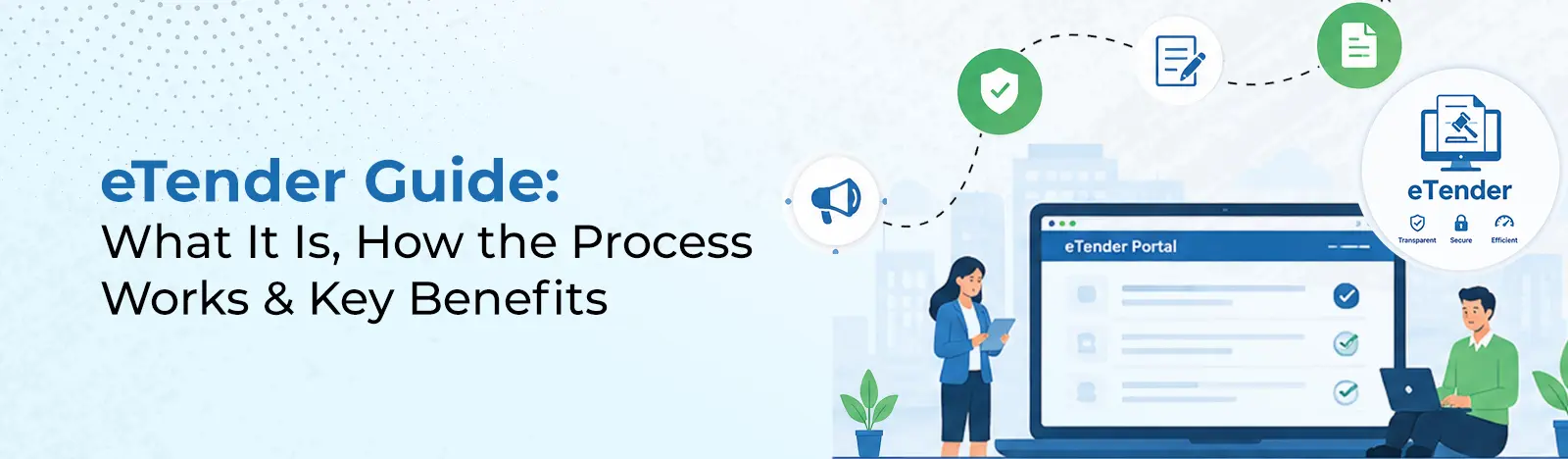
An e-tender represents the modern standard for secure, auditable supplier solicitation. Teams digitizing their operations see immediate results. Recent studies indicate that procurement departments drop average processing cycles from 120 days down to 66 days by migrating offline communications into a unified portal.
This guide breaks down exactly how to structure an event, the mechanical differences between solicitation formats, and how mid-market organizations execute successful bids. You will learn how to connect internal requisitions to external vendor awards using a disciplined, trackable software architecture.
What Is an eTender?
The formal definition of an electronic tender requires a centralized software system where buyers publish technical requirements, receive timestamped supplier bids, and award binding contracts without offline intervention.
Organizations adopt this methodology to regain full visibility and structured oversight over complex supplier relationships. By utilizing an eTender, procurement teams establish a single, verifiable source of truth for all vendor communications. You eliminate the risk of misplaced attachments. You stop suppliers from claiming they never received critical addendums.
This structural change prevents buyers from negotiating offline. Companies implementing structured digital workflows report unauthorized maverick spend decreasing by 50 percent post-implementation. To understand the exact operational shift, review the comparative breakdown below.
Dimension
Traditional Tender
eTender / Electronic Tender
Submission method
Paper or email
Online platform — structured and timestamped
Transparency
Low — hard to audit
High — full audit trail, access logs
Supplier reach
Limited by distribution list
Broader — any registered/invited supplier
Q&A management
Phone calls, scattered emails
Centralised on platform — visible to all bidders
Evaluation
Manual spreadsheets
Structured scoring matrices, automated comparison
Compliance
Difficult to enforce
Built-in policy controls and deadline enforcement
Time to award
Slower — manual collation
Faster — submissions auto-organised and comparable
Stop losing critical vendor data in email chains and start managing your sourcing events securely.
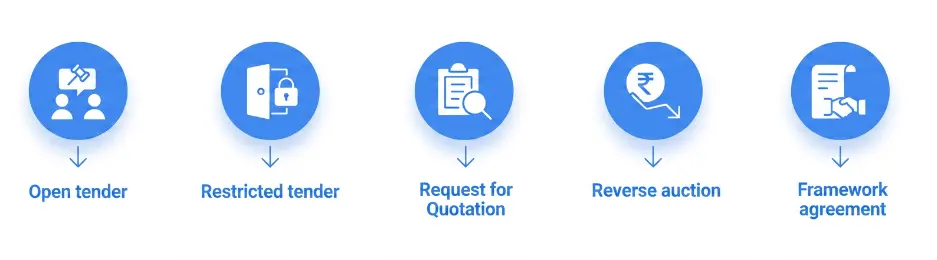
Procurement teams deploy different formats based on organizational risk profiles, technical complexity, and total contract values. Selecting the correct e-tender format optimizes supplier responses and prevents internal evaluation delays. You must match the strategy to the specific commodity. Choosing the wrong format for your category is one of the fastest ways to get an unworkable response. So, select Open tender when you need competition, Restricted tender when you need confidence RFQ when specs are locked, Reverse Auction when price is the only variable and framework when you’re buying the same thing repeatedly.
Open tender: Buyers publish requirements publicly on a dedicated portal. Any interested and qualified supplier may submit an e-tender. This maximizes market competition and typically drives down initial pricing. The operational trade-off remains sheer volume. Buyers must dedicate hours to filtering out unqualified submissions from vendors lacking actual capacity.
Restricted tender: This format filters participants before pricing discussions begin. Buyers pre-qualify vendors based on safety records, financial stability, or highly specialized manufacturing capabilities. Only approved vendors unlock the actual e-tender documents. This method works perfectly for high-risk acquisitions, though it lengthens the overall sourcing timeline by adding a mandatory screening phase.
Request for Quotation (RFQ): Buyers use this format for commercial off-the-shelf items. You ask suppliers for exact pricing on clearly defined commodities. Buying teams prioritizes delivery speed over complex technical evaluations. You use this when the specifications are rigid and non-negotiable.
Reverse auction: This format operates as a real-time pricing event. Suppliers log into the platform simultaneously and submit progressively lower bids. This strategy drives aggressive cost savings for highly standardized goods. Vendors often dislike reverse auctions because the format compresses profit margins entirely based on price rather than recognizing value-added services.
Framework agreement tender: Buyers negotiate terms with a predetermined panel of suppliers to establish long-term pricing boundaries. When specific needs arise later, the buyer issues a targeted e-tender exclusively to the panel. This expedites recurring purchases while simultaneously locking out newly emerging market competitors for the full duration of the agreement.
Execute any sourcing format instantly with flexible tools designed for modern procurement departments.
A successful e tendering framework demands absolute structural discipline from both buyers and suppliers. Executing an effective event requires total adherence to established, trackable workflows. By utilizing best tender management software, organizations move from chaotic purchasing to strategic acquisition.
We define this structured approach as The Beyond Intranet 6-Step Electronic Tender Process. Following these exact phases guarantees that your etendering operation meets all internal financial guidelines and external regulatory standards.
1. Define Requirements & Scope
The process initiates long before suppliers see the documents. Stakeholders submit a detailed business case for the requested goods or services. Procurement professionals work with internal departments to draft precise technical service level agreements, compliance matrices, and design files. Modern operations rely on purchase requisition software to route these initial requests through departmental finance heads. This critical step verifies exact budget allocation prior to any external market engagement.
2. Set Up the eTender on the Platform
Buyers build the operational parameters for the event within the digital system. You configure the specific evaluation weighting, set mandatory compliance questions, and establish rigid submission deadlines. Utilizing dedicated bid management software guarantees that these parameters remain locked. The platform automatically prevents users from altering scoring matrices after the event goes live. This setup phase ensures that the etender remains mathematically objective.
3. Publish & Invite Suppliers
Once internal approvals clear, the software distributes the notification. Buyers push the requirements to pre-approved vendor lists or publish them openly to external portals. The system generates secure access links. Vendors log into a dedicated browser-based portal to review the specifications. They accept the terms of confidentiality digitally before downloading any proprietary schematics or pricing sheets.
4. Manage Supplier Q&A
Suppliers review the materials and inevitably require clarification. During an electronic tender, vendors submit these questions through an anonymized portal feature. Buyers draft responses centrally within the bid management module. The system then automatically blasts the buyer’s response to all participating vendors simultaneously. This absolute transparency prevents any single supplier from gaining an unfair informational advantage over their competitors.
5. Evaluate & Score Submissions
Suppliers upload their pricing files into a locked digital vault. The platform applies a cryptographic timestamp to all incoming data and actively blocks internal buyer access until the official deadline expires. Upon unlocking the vault, the formal evaluation begins. Cross-functional teams assess proposals using the predefined weighted scoring algorithms built directly into the platform. Evaluators grade technical responses independently. The software then aggregates the final scores automatically, completely removing the mathematical errors common in manual spreadsheet compilation.
6. Award
The buyer selects the winning proposal based on the aggregated platform data. The software automatically notifies the successful vendor and generates polite rejection notices for the remaining participants. Furthermore, the system produces a comprehensive debriefing report detailing exactly where unsuccessful vendors lost points. This transparency maintains strong market relationships for future e tendering events.
Align your internal approvals with your vendor evaluations to create a perfectly seamless buying cycle.
Transitioning from analog purchasing to a digital etender delivers measurable, compounding advantages across the entire organization. Mid-market buyers deploy these software systems to execute highly strategic sourcing without increasing their administrative headcount.
Cost & time savings
The primary advantage of deploying an electronic tender platform is sheer operational speed. Buyers waste thousands of hours manually routing physical documents or chasing internal stakeholders for email approvals. Automated reminders force evaluators to complete their scoring matrices on time. Organizations utilizing automated digital workflows manage to cut contract disputes by 40% during the negotiation phase. This efficiency allows procurement departments to award complex contracts weeks faster than traditional paper methods.
Transparency & audit trail
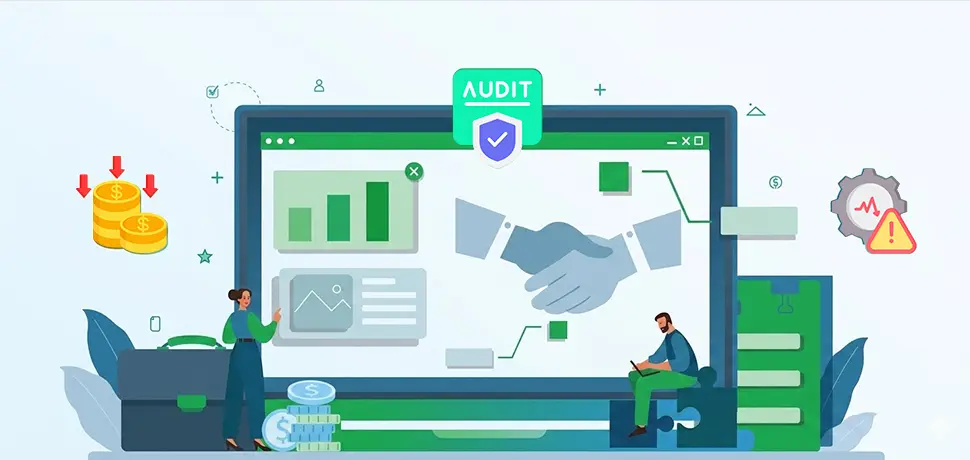
Manual purchasing invites catastrophic financial risks because buyers can bypass financial controls easily. Modern platforms act as a rigid compliance gatekeeper. The software automatically generates an immutable audit log tracking every document downloaded, every question asked, and every score assigned. If an external auditor questions a supplier selection, the procurement director simply exports the platform log to prove mathematically why a specific vendor won the contract.
Wider supplier reach
Physical distribution limits your market access. Digital portals allow organizations to invite global suppliers instantly. You remove the geographical friction associated with printing and mailing massive bid packages. A wider pool of qualified participants naturally drives up competition. This increased market pressure forces incumbent suppliers to offer more aggressive pricing to retain your business.
Compliance & risk reduction
Poor agreement management leads to severe financial consequences. Analysts track the proportion of value lost when companies fail to monitor their supplier agreements. Organizations lacking proper digital contract visibility experience an annual revenue leakage of 9.2% globally. Transitioning these physical contracts into a strict digital framework solves this vulnerability. Integrating these portals with downstream systems helps companies reducepayment errors by 90% across all active categories.
Common Mistakes in eTender Management
Even with sophisticated software, human error derails complex sourcing events. Procurement teams migrating to digital platforms often carry their bad offline habits into the new system. Avoiding these specific missteps separates successful departments from those facing constant vendor disputes. Managing an e tender requires strict discipline.
Vague scope documents: Publishing unclear technical requirements guarantees failure. If you ask generic questions, you receive incomparable answers. Vendors will pad their pricing to cover the unknown variables. You must attach precise specifications, architectural drawings, and exact delivery schedules before launching the event.
Poor supplier communication: Leaving vendor questions unanswered creates immense frustration. If a supplier requests clarification on a compliance standard and you ignore the portal message, that supplier will likely withdraw their participation. You must establish internal service level agreements for answering portal inquiries within twenty-four hours.
Skipping pre-defined evaluation criteria: You cannot decide how to score an e tender after you read the pricing submissions. This completely invalidates the integrity of the process. Buyers must configure the exact weighting percentages for quality, cost, and delivery speed before the event goes live.
Non-compliant specifications: Drafting requirements that intentionally favor one specific brand or incumbent supplier violates fair competition rules. You must write specifications based on performance outcomes rather than demanding proprietary trademarked parts. Following the CIPS tendering standards prevents this exact legal liability.
Mixing email and platform communications: This is the most dangerous error. If a buyer accepts a revised pricing sheet via direct email while other vendors submit through the locked portal, the entire event becomes legally compromised. You must establish strict mandates stating that any supplier attempting to bypass the digital portal will face immediate disqualification.
eTender Checklist: Before You Launch
Launching complex software over disorganized internal data guarantees system failure. Procurement leaders must verify their informational architecture before inviting external suppliers to bid. Run through this mandatory checklist before publishing your next etender.
Cleanse your vendor database to remove duplicate supplier profiles.
Update all expired tax and insurance documentation for incumbent vendors.
Archive suppliers who have not actively bid on an e tender in the past thirty-six months.
Tag your spend categories to a global taxonomy like UNSPSC for automated matching.
Verify that internal budget approvals are fully authorized and documented.
Construct distinct, category-specific scoring matrices inside the platform.
Test the vendor portal access links internally to ensure firewall compatibility.
Shifting from manual purchasing to a digital etender fundamentally upgrades how an organization controls its capital expenditure. You replace subjective spreadsheet scoring with mathematically verifiable evaluations. By moving supplier communications into a centralized portal, you eliminate the audit risks associated with offline email negotiations.
Mid-market organizations utilizing an electronic tender framework accelerate their buying cycles drastically while forcing vendors to compete on a perfectly level playing field. If your procurement team struggles with fragmented documentation, delayed contract awards, or missing compliance logs, it is time to upgrade your infrastructure.
Modernize your procurement operation today and eliminate the financial risks of manual bid management.