
Best Bid Management Tools in 2026: Top 7 Platforms Reviewed & Compared
By Sohan Jha / March 10, 2026
7 Best Bid Management Tools for 2026 With Reviews and Features The buying process is changing faster than ever. Did...
Read More
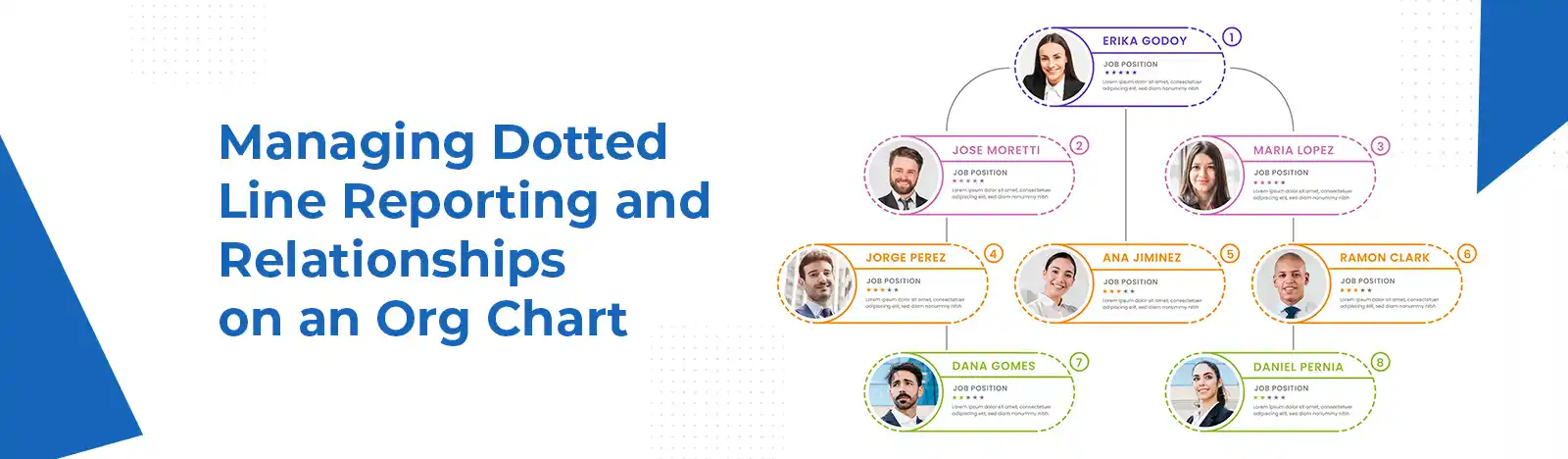



Quick Summary: See why organizational charts are vital for modern business. This guide shows how a clear visual structure improves transparency, helps productivity, and drives success for companies of any size.
Picture a busy office. People are working. Phones are ringing. But no one knows who the boss is. No one knows who to ask for help. It sounds chaotic. It is chaotic. This is exactly why a company organizational chart is so important. It acts as a map for your business.
You might be a small startup. You might be a huge corporation. It does not matter. Having a clear diagram of your team helps everyone understand their place. It is not just about drawing lines and boxes. It is about creating a system. Communication flows easily. Work gets done faster. Let’s look at why this tool is a must-have for your success.
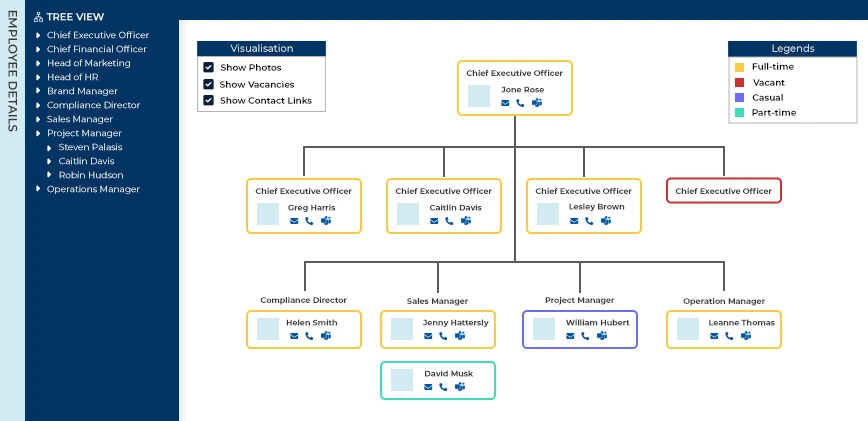
Think of an organizational chart as a picture. It shows your company’s hierarchy. It details the relationships between different departments. It shows roles. It shows individuals. The main purpose is simple. It provides a clear “bird’s eye view” of the entire workforce.
This visualization helps employees. They understand the chain of command. It clarifies who is responsible for what. It shows how information moves through the business. Leaders use a business org chart to ensure every person knows their role. They see how they fit into the bigger picture.
Visualizing your workforce has many benefits. Here are eight key reasons your organization needs one.
Every business needs a strong foundation. A company organizational chart helps you design a structure that supports your goals. It communicates the hierarchy to every employee. Everyone is on the same page. The layout is clear. Employees feel secure. They focus on their tasks. You might wonder about the different ways to structure this. Learning about organizational chart types and how it works can be very helpful.
There are many jobs to be done. Leaders must assign specific tasks. They assign them to teams or individuals. A company department chart makes this division of labor visible. It prevents confusion. Two people won’t accidentally do the same job. Important tasks won’t be forgotten. You define functions clearly. Every part of the business is covered.
Relationships hold a company together. You need to know how staff members connect. You need to know how groups connect. An org chart shows these connections. It helps prevent conflicts. It shows who works with whom. This clarity promotes better collaboration. It helps the entire workforce work as one.
Struggling to see your team's true potential? Let us map your success with precision
Managing a team is hard if you don’t know who is doing what. A hierarchy chart of a company allows managers to see the “span of control.” You can see how many people report to one manager. One manager might be overwhelmed. Another might have free time. You can adjust the workload. This keeps the team balanced. It keeps them efficient.
Big projects require teamwork. Different teams must work together. A solid chart streamlines this. It helps employees find the right people. They collaborate to achieve shared goals. Coordination is key to productivity. This is why the SharePoint org chart is important for modern enterprises.
Decisions need to be made. You need to know who has the authority. An organizational chart helps. Employees can identify stakeholders instantly. They can find decision-makers. This helps overcome roadblocks. You will always know who to involve. You know who to ask when a change is needed.
Budgeting is easier when you see your resources. Planning is easier too. Utilize a company org chart to analyze your budget. See where money is spent on talent. Make smarter financial decisions. Manage company resources better.
Sometimes a role is missing. You might not realize it. Without a visual aid, gaps are hard to see. A company organizational chart makes empty spots obvious. A function might have no one accountable for it. The chart will show it. Managers can write job descriptions. They can hire the right talent quickly.
Employees want a future. They want to grow. An org chart helps plan career paths. It shows employees where they can go. HR professionals use it to find high performers. They identify future leaders. This increases engagement. It boosts motivation.
You need the right tools to get these results. There are many options. Research the 5 best organizational chart options in 2025. Find one that fits your needs.
Transform chaotic data into a streamlined visual masterpiece today
An organizational chart is not just a diagram. It is a necessity. It brings clarity. It improves communication. It aids in planning. You might use a simple hierarchy chart of a company. You might use advanced software. The impact is real. Start visualizing your structure. Empower your team. Drive growth.