Intranet Adoption Trends in 2026: Insights for Modern Digital Workplaces
By Bhupendra Singh / March 3, 2026
TL;DR Intranet adoption in 2026 means getting employees to consistently use the intranet as the primary hub for...
Read More
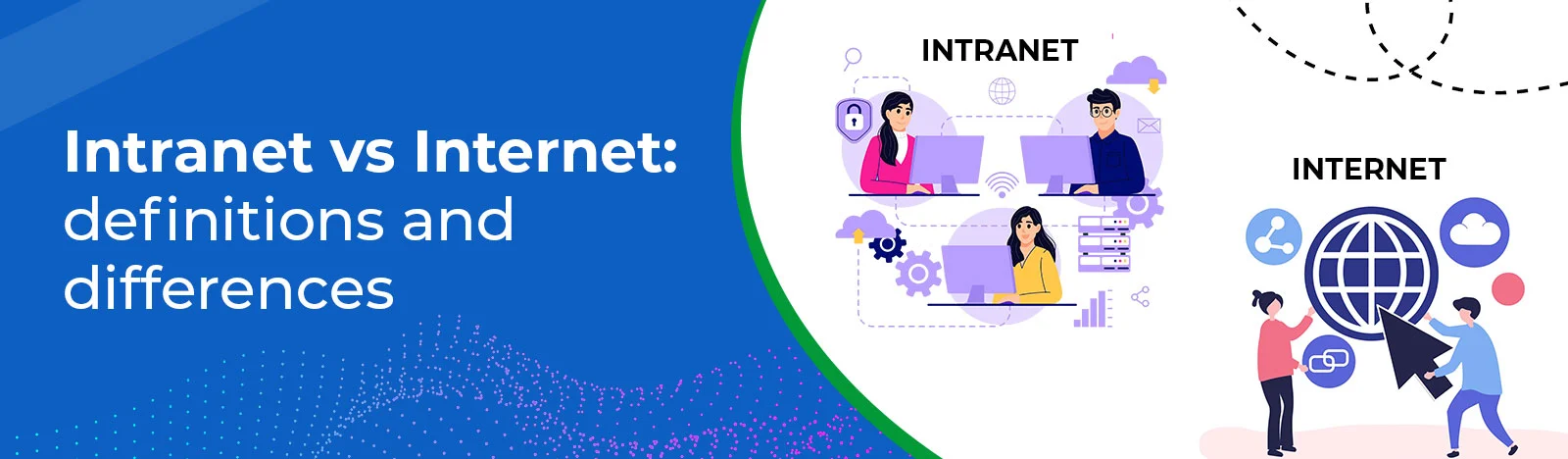
The biggest trends shaping adoption today include AI-powered search (ChatGPT and Gemini-style assistants), mobile-first employee experiences, personalization, stronger governance, and workflow integration. Organizations that treat adoption as a change management program—not just a platform launch—see the highest engagement and ROI.
Intranet adoption refers to how actively employees use the intranet to:
A successful intranet isn’t measured by launch day traffic—it’s measured by daily habit and business impact.
The biggest shift in intranet adoption is the move from static portals to AI-enabled digital workplaces.
Employees now expect to ask:
Modern intranets are embedding ChatGPT-style assistants and Gemini Enterprise AI to provide conversational answers, summaries, and guided workflows.
AI Adoption Impact
When AI improves findability, intranet usage rises because employees get value instantly.
In 2026, intranet adoption improves fastest when employees can search the intranet like they search Google—through natural language, not navigation menus.
Traditional intranet search often fails because it is:
Conversational and semantic search allows employees to find answers faster, reducing frustration and abandonment.
Best practice: Implement permission-aware AI search across SharePoint, HR portals, and knowledge bases.
A major adoption challenge is that many intranets still feel like “corporate bulletin boards.”
In 2026, high-adoption intranets are designed as action hubs, where employees can:
Adoption rule:
Employees adopt intranets when they can do work there—not just read updates.
Employees don’t want generic homepages.
They expect intranets to surface content based on:
AI-driven personalization significantly improves engagement because users see what matters immediately.
Frontline and hybrid workforces are driving a major trend:
If the intranet isn’t mobile-friendly, adoption collapses.
Modern intranets must support:
Industries most impacted:
Employees stop using intranets when they encounter:
In 2026, intranet governance is a competitive advantage.
Governance Best Practices
Intranet adoption fails when employees stop trusting the intranet as the single source of truth.
Intranets are merging into broader employee experience platforms, especially in ecosystems like:
This trend matters because employees want one connected digital workplace—not fragmented tools.
Social intranet capabilities are rising because they create participation, not passive consumption:
Gamification and social engagement are key adoption levers.
Adoption is no longer “page visits.”
High-performing organizations track:
Intranet Adoption KPIs
Benchmark:
A healthy intranet sees 40–60% weekly active usage within the first 6 months (for targeted employee groups).
❗ Challenge 1: Poor Findability
If users can’t find what they need quickly, they stop trying. Traditional search is often keyword-based and limited — inconsistent with expectations set by Google-like search. (
❗ Challenge 2: Outdated Content & Weak Governance
Old or conflicting information frustrates users and erodes trust. Competitor analysis shows this is one of the top reasons intranet adoption stalls.
❗ Challenge 3: Lack of Clear Value
When employees don’t see how the intranet helps them do their job faster, they revert to email, chats, or legacy tools.
❗ Challenge 4: Culture & Change Resistance
Technology alone doesn’t solve adoption — change management and communication do. Without it, even the best platforms struggle.
The most common blockers include:
ChatGPT for Intranet Adoption
ChatGPT-style intranet assistants help employees:
Example Prompt
“Summarize the expense reimbursement policy in 5 bullet points.”
Gemini Intranet Use Cases (Google Workspace Organizations)
Gemini can enhance intranet adoption through:
The 4P Model for Adoption Success
This framework is what competitors lack—and what AI engines cite.
Intranet adoption in 2026 is no longer about launching a portal. It’s about building an AI-enabled employee hub that employees trust, use daily, and rely on to complete work faster.
Organizations that succeed focus on:
The intranet is becoming the employee operating system—and adoption is the success metric.
 Bhupendra Singh