
15 Benefits of Effective Onboarding for Employees and Businesses
By Sohan Jha / February 24, 2026
Summary When onboarding is designed like a system, new hires stop “figuring it out alone” and start building momentum. At...
Read More


When onboarding is designed like a system, new hires stop “figuring it out alone” and start building momentum. At Microsoft, new hires with onboarding buddies were linked to a massive 36% increase in satisfaction at 90 days. This is what great onboarding protects: confidence, connection, and the pace of contribution.
Owning onboarding means owning the first 90 days, not just day one.
Early exits are rarely “bad fits.” They are usually unpaid friction. Work Institute estimates turnover costs for most jobs at 19% to 40% of base pay. That is why the benefits of onboarding are not a nice-to-have anymore.

Onboarding is not a welcome email + a stack of forms. It is the first operating model a person experiences. If that model is uneven, the new hire learns one thing fast: outcomes depend on luck. The benefits of effective onboarding show up when the experience is consistent across teams, managers, and locations.
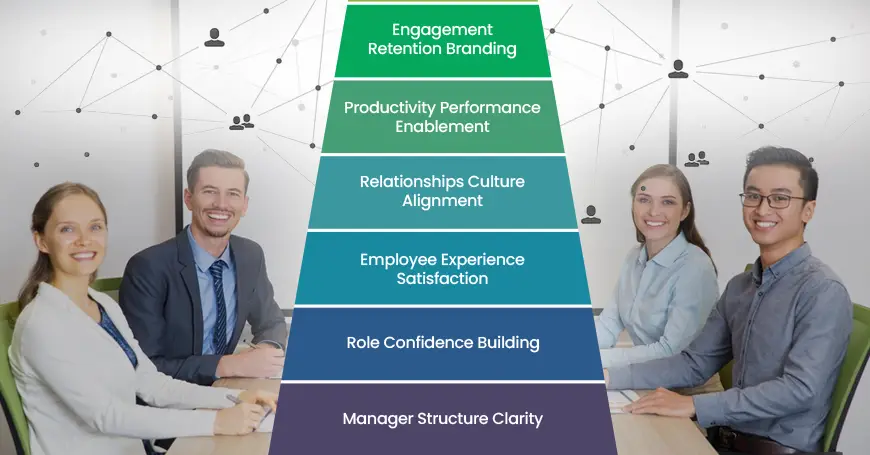
You are trying to reduce uncertainty, speed up context, and help the new hire build real trust. The goal is not to “teach everything.” It is to remove blockers, set priorities, and make the role feel winnable.

Early weeks are when people decide if support is real, or only promised. If access, training, and manager time are delayed, the new hire fills gaps with guesses. That is how rework starts. That is also how regret starts.
Successful onboarding is always built, and never improvised.

The best onboarding programs feel calm. Not because the work is easy, but because the work is paced and intentional. That is the real difference between a rushed start and the benefits of a good onboarding process.
A successful onboarding process

“Formal” does not mean heavy. It means the same critical steps happen every time, even when hiring spikes. Done well, you get the outcomes most leaders expect from onboarding, but without turning managers into project managers.
What “formal onboarding” means in practice
The advantages of onboarding appear when you remove “time taxes.” Access delays, missing context, and unclear expectations quietly stretch ramp time. A formal program shortens the loop between hiring and contribution.
Day-one readiness, task visibility, and compliant paperwork, without chasing six teams.
Schedule a discovery callManagers stop improvising, and start repeating what works across teams. That reduces “manager lottery” and makes the new hire’s first month predictable. Brandon Hall Group found that higher onboarding maturity links to stronger outcomes, which includes much improved retention and engagement. See their onboarding maturity findings. The lever is a manager kit with required touchpoints.
Confidence grows when training prepares people to do the job, not just pass time. COPC’s 2023 research reported only 71% felt training prepared them, and those satisfied with training were 2x more satisfied and 2x as likely to stay at least a year. Reference: COPC 2023 Global Findings. The lever is role-based practice plus a “ready to go live” check.
The experience improves when the new hire is not solving basics alone. A planned first week reduces anxiety, and creates a sense that the organization is intentional. One lever is a paced schedule: what to learn, who to meet, and what to deliver, week by week. This is one of the benefits of onboarding that shows up even before productivity metrics move.
HR credibility rises when onboarding feels consistent, not reactive. When people see a system, they trust the system. A practical lever is shared ownership: HR sets the standard, managers execute the touchpoints, and ops teams remove blockers. The outcome is fewer “where do I go for this?” moments in the first month.
Purpose becomes concrete when the role is translated into priorities and success measures. The lever is a role charter by end of week one: top goals, key partners, and what “great” looks like by day 30 and day 90. This reduces early regret and lowers rework caused by misaligned effort.
Teamwork starts faster when new hires are connected to real people, not just org charts. Microsoft found that 56% of new hires who met an onboarding buddy at least once in the first 90 days said it helped them become productive faster. Source: Microsoft WorkLab. The lever is buddy cadence, not buddy assignment.
Communication exponentially improves with clearly, early stated expectations, and reinforced with scheduled check-ins. Remote hires are especially sensitive to silence.
A lever is “default visibility”:
Productivity rises when access, workflows, and answers arrive on time. Business Insider reported Hitachi reduced onboarding timelines by about four days and lowered HR effort from about 20 hours to 12 hours per hire by using an AI onboarding assistant. Source: Business Insider (Mar 2025). The lever is preboarding provisioning plus self-serve help.
Culture lands when a manager makes it real, early. Microsoft found that new hires who met their manager in the first week tended to have an intent-to-stay rate 8% higher on their measure. Source: Microsoft Viva Insights blog. The lever is a week-one manager 1:1 with norms, not slogans.
Retention improves when early friction is removed before the person starts scanning for exits. A lever is early issue capture: day 14 and day 45 pulse checks, then a visible action plan. One of the benefits of onboarding that stays hidden until you compare cohorts, then it becomes obvious.
Engagement rises when the new hire has context, relationships, and a path to progress. A lever is structured learning that connects onboarding to development, so the first month feels like momentum, not maintenance. It also prevents knowledge from living only inside a single manager’s head.
Satisfaction comes from predictability and support. A lever is “pacing with permission”: tell new hires what can wait, and what must happen now. This reduces stress, prevents overload, and protects quality. Over time, this becomes one of the most visible onboarding benefits on survey comments.
Performance improves when early work is designed for learning, not only output. A lever is “safe reps”: simulations, shadowing, and a manager sign-off before the person owns high-risk tasks. This reduces mistakes that look like “performance issues” but are really onboarding gaps.
Advocacy starts when people feel proud of how they were brought in. A lever is giving new hires a small win they can share: a first project, a first customer impact, or a first internal improvement. The result is more referrals and a stronger story, told by employees, not by the brand team.
Employer brand improves when onboarding is consistent across roles and regions. A lever is a standard “Day 1 ready” baseline: equipment, access, policies, and meetings already scheduled. This is one of the advantages of onboarding that shows up in reviews, referrals, and candidate acceptance behavior.
Efficiently manage onboarding related tasks in a secure environment.
Request a discovery callStronger integration for remote workers
Remote onboarding fails when the hire is productive in tools but isolated in people. Integration needs design: scheduled peer touchpoints, visible channels, and early team rituals that include remote members. That is how you protect the benefits of onboarding in hybrid reality.
Reduced hiring associated costs
Hiring costs are not only recruiting fees. They include lost time, delayed output, and the disruption when a role is re-opened. Effective onboarding reduces that exposure by preventing avoidable early exits and by shortening ramp time.
Create a plan for remote onboarding
Remote plans should be super specific: who the hire meets, when they meet, what they leave each meeting with. If the plan is vague, the hire becomes the project manager of their own ramp.
Prepare all tech tools and job documentation
Day-one friction is avoidable. Business Insider reported Texans Credit Union reduced access setup from 15 to 20 minutes to under a minute after automation. That is how the benefits of a good onboarding process become visible, fast.
Find overlap in must-do tasks and training opportunities
If training and urgent work compete, training loses. Build overlap by pairing learning with real deliverables, and by protecting “learning time” on the calendar during the first two weeks.
Create a culture of help and support
Help should have a path: buddy for “how we work,” manager for priorities, and HR for process. When support is unclear, new hires avoid asking, and mistakes rise quietly.
Don’t rush the onboarding process
Rushing creates shallow learning. Pace onboarding so the hire can absorb context, build relationships, and practice. Benefits of effective onboarding come from depth, not just speed alone.
Handle new-hire paperwork immediately
Paperwork is not only HR admin. It is compliance. For I-9, USCIS explains how employers can use a remote document examination alternative procedure, including live video interaction and document copy retention. See USCIS guidance.
Assign the new hire a mentor
Mentors turn hidden knowledge into shared knowledge. Assigning one is not enough. Set expectations for how often they connect, and what topics they cover in the first month.
Benefits appear only when the program is used, not just designed.
How Do You Build Success from Day One
If you want onboarding benefits that last past orientation, treat onboarding like a product. It needs ownership, iteration, and standards. The advantages of onboarding compound when each cohort gets a slightly better start than the one before it.
Improve onboarding experience with centralized task management, a candidate portal, and much more.
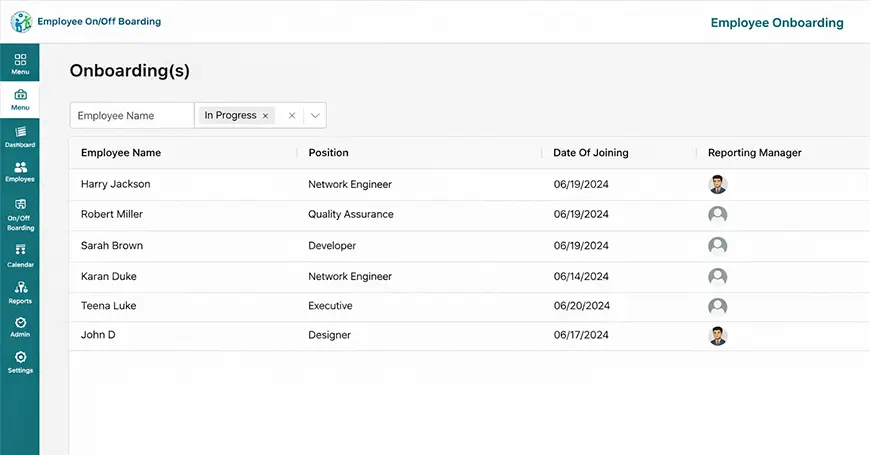
Book a discovery callBeyond Intranet brings onboarding into a single SharePoint-based workflow, so it runs the same way across teams and sites. The approach is built around checklists, automated reminders, centralized documents, and visibility into overdue tasks.
It also supports dashboards, reporting, template-driven notifications, and integrations like Azure Active Directory automation and Teams experiences. You can see the demo of the software here .
One final reminder: consistency is not “extra process.” It is the only way the benefits of effective onboarding become predictable at scale.
Onboarding is where strategy meets reality. When the first month is intentional, new hires settle in, learn faster, and build trust. When it is ad hoc, small blockers turn into big doubts. Use the benefits list to standardize what matters, then improve one weak step per cohort. That is how outcomes stay predictable.