A practical, vendor-neutral guide for CIOs, IT directors, and digital workplace leaders evaluating SharePoint consulting partners in Australia — including a comparison...
The amount of change in modern work is way greater than we expected. Today, 55 percent of the U.S. workforce feels completely burned out, and 72 percent say it hurts their daily efficiency. Solving this big problem needs a level of teamwork that we have never seen before. Understanding dotted line reporting is the very first step. It does not sound easy at all. We can fix it with smart innovation.
Summary
A lack of team interest recently cost the global economy $438 billion in lost productivity in a single year. A matrix setup requires great teamwork across different departments. Proper reporting lines help reduce confusion and align your resources to solve big corporate challenges smoothly.
What Is a Dotted Line Structure
Defining the Dual-Reporting Model
A setup where an employee reports to more than one boss is a normal reality for many large companies today. The main boss handles long-term career growth and overall job duties. A second boss gives guidance or support on specific projects. This second relationship is known as dotted line reporting.
Breaking Down the Org Chart Meaning
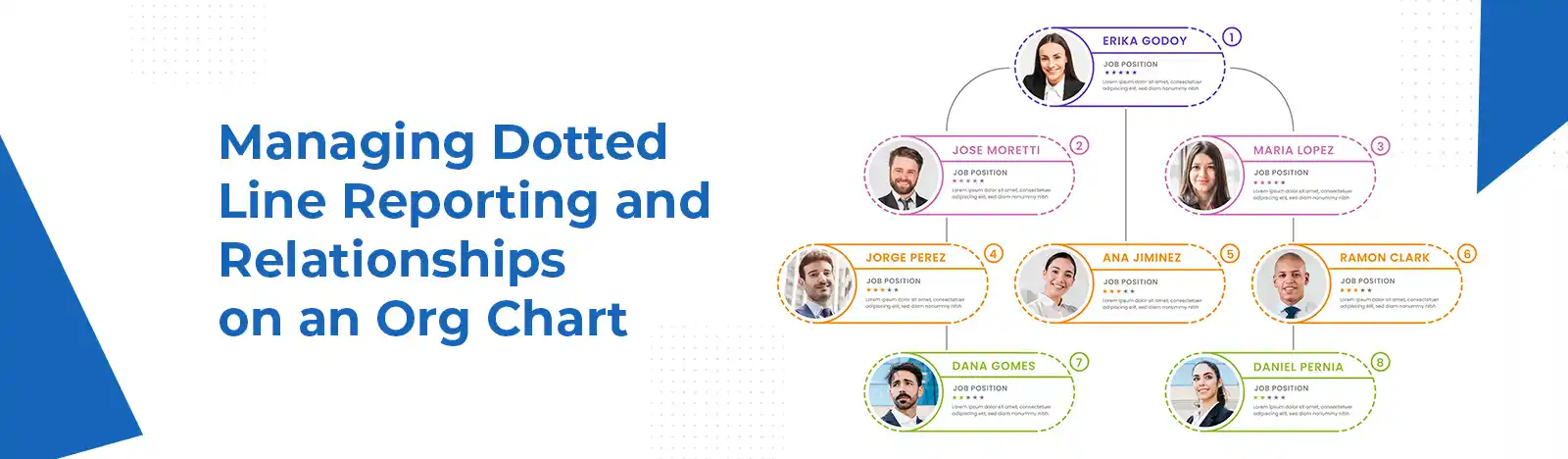
People often ask what does a dotted line mean on an org chart when they first see one. It simply points to an informal or advisory connection. It is like having a helpful mentor who guides your work without controlling your daily HR tasks. You get expert input without the strict oversight.
This setup brings together workers from different departments to focus on shared projects in a few key ways:
The second manager has less direct control over the daily work.
Their influence comes through project tips and technical skills.
Answering to two leaders ensures the employee adds value to multiple key projects at the exact same time.
Understanding Matrix Organizational Structures
The Shift from Top-Down Hierarchies
The corporate world has clearly moved away from stiff, top-down setups. Global markets demand high speed and flexibility from every single department. Companies are increasingly adopting matrix structures where workers report to multiple leaders. The sheer amount of change here requires a fresh look at how we manage people.
The Cost of Poor Execution
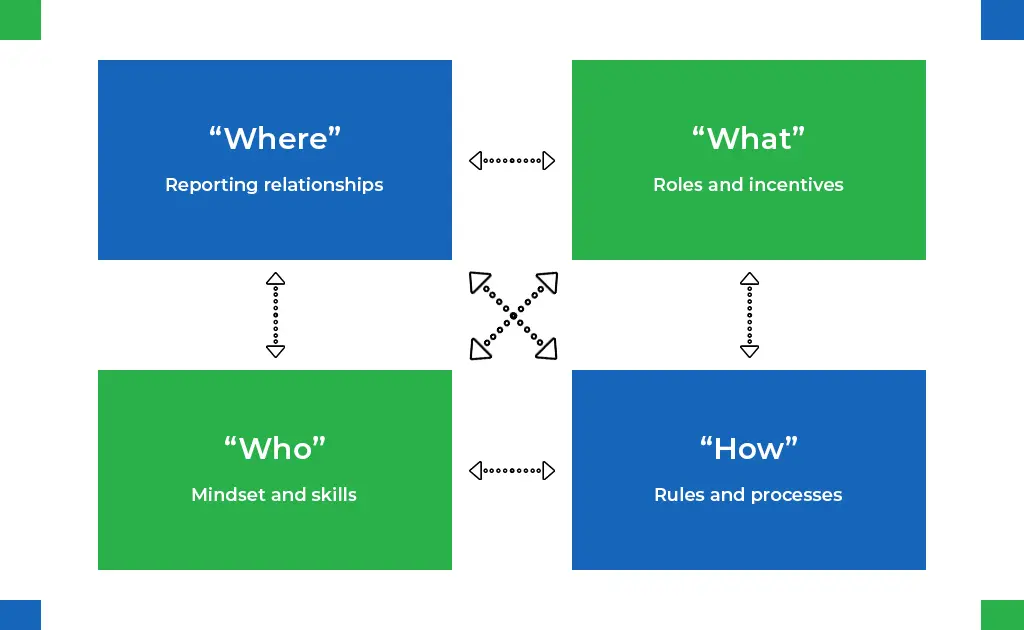
On paper, the benefits of this structure include better teamwork and the smart use of highly skilled talent. However, actually doing it often results in heavy friction across the company. It exposes deep system weaknesses and leadership gaps if it is not handled the right way. A poorly designed matrix can stop decision-making completely.
Research shows that global manager engagement dropped to a worrying 27 percent recently. When department heads and project managers stop caring, they fail to share priorities. Moving from a standard hierarchical structure to a fluid model requires a strong commitment to keeping things clear. The stakes for fixing these delays are massive.
Simplify complex reporting lines today by mapping your hierarchical structure.
Both lines show a specific type of relationship between two team members. A solid line shows your formal anchor within the business. This manager acts as the main pillar of your hierarchical structure, handling your salary, performance reviews, and promotions. They have the final say on your employment status and handle all official administrative duties.
The Secondary Connection (Dotted Line)
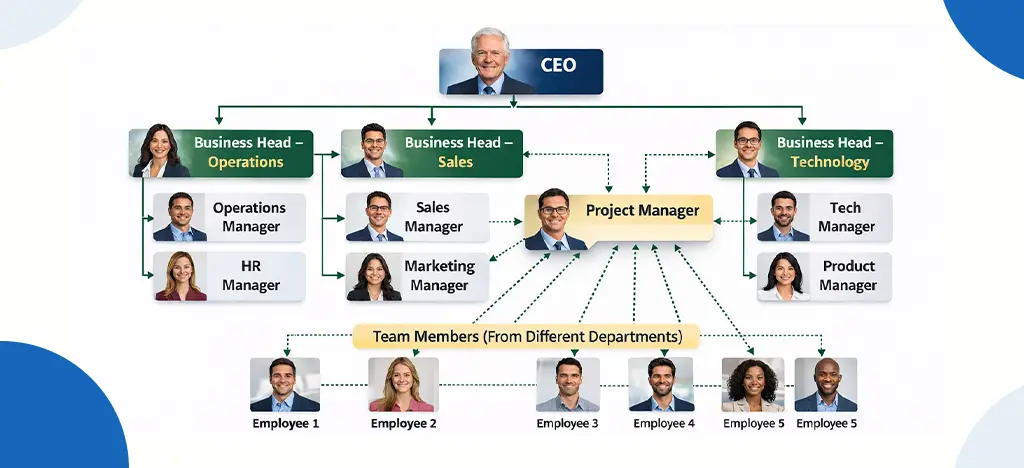
A reporting dotted line shows a secondary relationship with another manager. This is usually a leader from a completely different department. Many professionals wonder exactly what does a dotted line mean in an organizational chart when it comes to authority. It means the employee answers to both managers for different parts of their daily work.
Seeing these connections requires understanding what organizational chart mapping is doing for your internal teams. Making choices is sometimes slower since multiple managers must talk and coordinate. However, it ensures all expert advice is counted before finishing complex company projects.
Ready to automate your layout or need to visualize team roles?
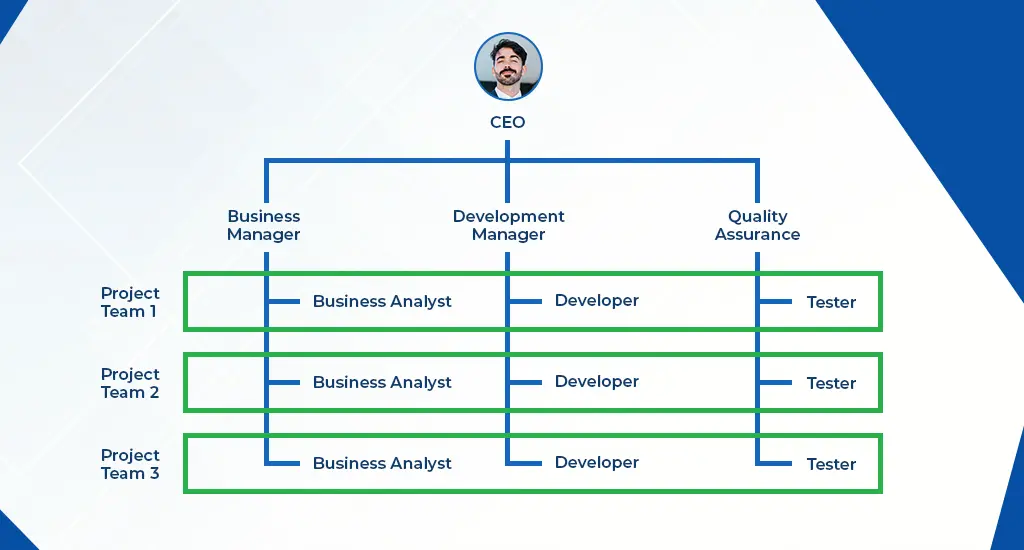
These relationships are best used in situations where teamwork across different business areas is vital. Project management often requires one team member’s work to directly affect another person’s tasks. A structural engineer might need to work with an architect constantly to ensure a design is actually doable.
Global and remote teams also see huge benefits from these reporting structures. They help create a better web of support for teams spread across the world. A graphic designer might work under a creative director while talking with a web development manager. This ensures key design elements do not get lost in translation.
Managing Global Mergers
In the European market, the return of massive company mergers is forcing rapid changes in how teams are built. Deal values in the EMEA region rose by a huge 19 percent recently. Companies must blend different corporate cultures into shared cross-border matrix structures to succeed. The speed at which businesses are adopting these models is going up globally.
Core Benefits for Modern Enterprises
Breaking Down Department Silos
Isolated groups hurt business speed. This structure destroys those walls by forcing departments to share their best people. Employees get exposed to new viewpoints, which naturally leads to highly creative ways to solve daily challenges across various industries, from healthcare to technology.
A clear dotted line org chart provides fast access to specialized knowledge. Employees benefit from the wisdom of more than one manager. This is highly useful when the main manager lacks specific skills in certain technical areas. It bridges the knowledge gap easily.
Boosting Resource Flexibility
Companies can hand out tasks more effectively by allowing employees to report to multiple leaders. Key projects gain access to needed support without overloading any single department. It creates flexible structures that respond quickly to changing business needs. Being adaptable is a massive competitive advantage today.
Common Challenges and Pitfalls
The Threat of Teamwork Overload
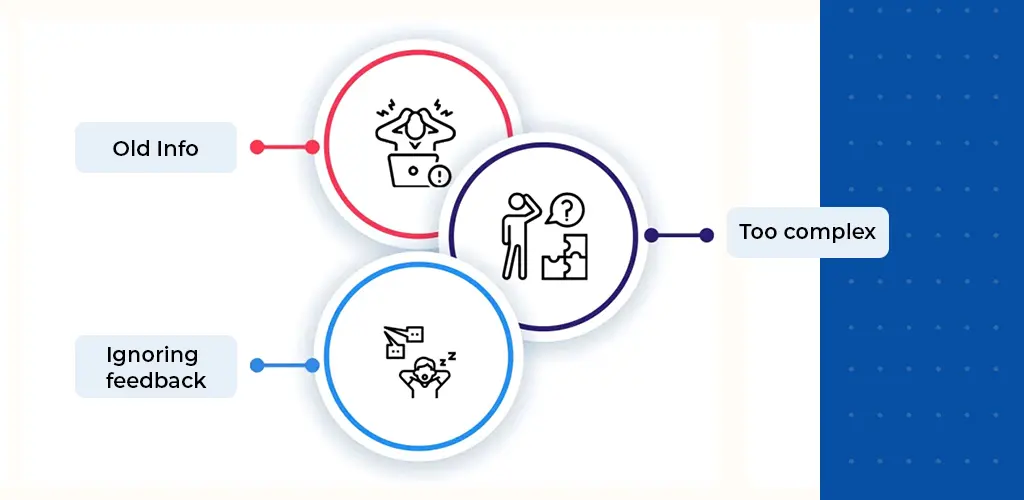
Despite the benefits, this structure can lead to confusion if it is not managed the right way. Employees may struggle with divided loyalties or unclear priorities. Managers often experience hard times maintaining steady and clear expectations. Not knowing your exact role is a known productivity killer.
The complicated setup generates what researchers call teamwork overload. Highly matrixed workers spend up to one-third of their day in internal planning meetings. Nearly 45 percent of their day is spent simply answering random requests from coworkers. This mental strain destroys focused work.
Managing Mixed Feedback
Juggling requests from multiple managers can easily overwhelm hard-working employees. They may feel stretched too thin and experience severe burnout. It is a massive problem when the primary and secondary managers give mixed feedback. A lack of clarity about who actually makes the final choices will definitely stall critical projects.
Clarify your dotted-line reporting structure in minutes, start building smarter org charts with our software.
Setting clear boundaries between managers ensures accountability and minimizes daily conflicts. Solid and secondary managers must have exact duties that do not overlap. Defining who makes the decisions helps employees know who holds the final say. Clear rules act as the strong framework for a healthy company culture.
Playing the Subtraction Game
Leaders must engage in purposeful reduction to lessen teamwork overload. This is often called the subtraction game. Leaders must actively fight the urge to add useless meetings and heavy processes. Messaging apps and emails should replace live check-in meetings wherever possible.
Adopting the Helix Model
Performance management must also evolve to be fair and accurate. Organizations must set standard evaluation rules across all departments. Recognizing the importance of organizational chart alignment helps HR ensure reviews are fair. Creating a highly accurate dotted line organizational chart is totally mandatory for tracking these shared contributions effectively.
Leading enterprises are using advanced models like the Helix Organization framework. This model separates long-term skill building from daily task creation. The solid line manager acts as a supportive coach. The secondary manager acts as the operational director overseeing the daily execution of tasks.
Empowering Leaders Without Formal Authority
Leading Through Influence
Project managers must guide and motivate talent without controlling salaries or promotions. Formal authority is replaced by the absolute need for strong influence. Training these leaders to coordinate entire systems rather than just manage small tasks is critical. Organizations must invest in building collaborative negotiation skills.
Level one leaders rely entirely on formal job titles and struggle deeply within a matrix.
They face high resistance from shared resources and pass conflicts up the chain frequently.
Level five leaders use advanced stakeholder data to personalize their influence strategies.
They achieve a 73 percent improvement in their ability to influence others.
They anticipate the needs and limits of solid line managers and pitch their requests as mutually beneficial value creation.
To bridge the leadership gap, organizations must invest heavily in specialized training classes. Leading enterprises invest up to 20 percent of their leadership development budget specifically into teaching how to influence without formal authority. Custom coaching helps leaders shift from basic task management to truly transformational leadership.
The Role of Org Chart Software
Turning Chaos into Clarity
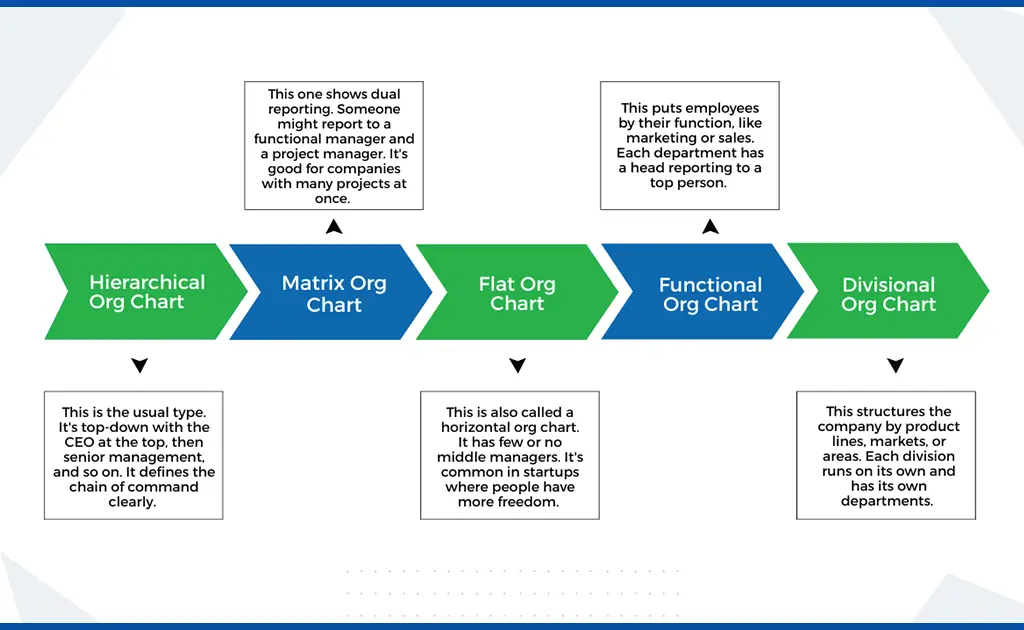
Managing company structure can get messy very quickly. Software keeps it crystal clear by showing exactly who reports to whom across your entire organization. Knowing the different types of organizational charts helps managers understand their teams and helps employees know exactly where they fit in. Visibility is the best cure for workplace confusion.
Automated Updates and Security
A visual map of a reporting dotted line eliminates daily guesswork. Dedicated organization chart software updates on its own automatically. You do not have to rework it by hand every single time something changes. Since it is built specially for HR use, it is easy to manage and share securely. The chart grows smoothly alongside your corporate headcount.
The European Commission started a massive trial of a decentralized communication matrix recently. They wanted a strong system that could support complex messaging across many departments. This structure ensures government communications remain fully operational even under severe stress.
Sika is a global specialty chemicals company running a very complex supply chain. They structured their global buying team as a highly defined matrix organization. A distinct dotted line org chart allows Sika to leverage global buying power while keeping local speed and flexibility.
Startup Restructuring and Civic Planning
The City of Malmo in Sweden moved away from isolated civic departments to tackle climate change. They brought together workers from different fields like city infrastructure and finance to work as one team. Multiple areas of expertise are used at the same time to solve a singular crisis. Deepnote shifted from a flat startup structure to a complex matrix during a radical company restructuring. They used strict processes as the main support to rebuild their culture. Using firm rules for decision-making removed confusion and completely stabilized the internal chaos.
Future Paths and Agentic AI
The Rise of Smart Systems
The addition of advanced technologies will completely change how organizations operate. The future matrix will be defined by smooth changes and data-driven predictions. The rise of Agentic AI will deeply impact organizational design in the coming years. We have a strong belief that innovation can solve these deep structural problems.
Automating Team Coordination
Agentic systems can independently plan and take actions to meet user-defined goals. Experts predict that by 2028 at least 15 percent of daily work decisions will be made by these smart systems. This will take away the heavy administrative burden of team coordination completely.
AI agents will automatically map shifting relationships and schedule complex cross-functional meetings without human help. By removing the friction of planning, technology will free up project managers. Future dotted line reporting models will focus entirely on high-level system coordination and strategic persuasion.
How Beyond Intranet Can Help
Simplify Your Reporting Lines
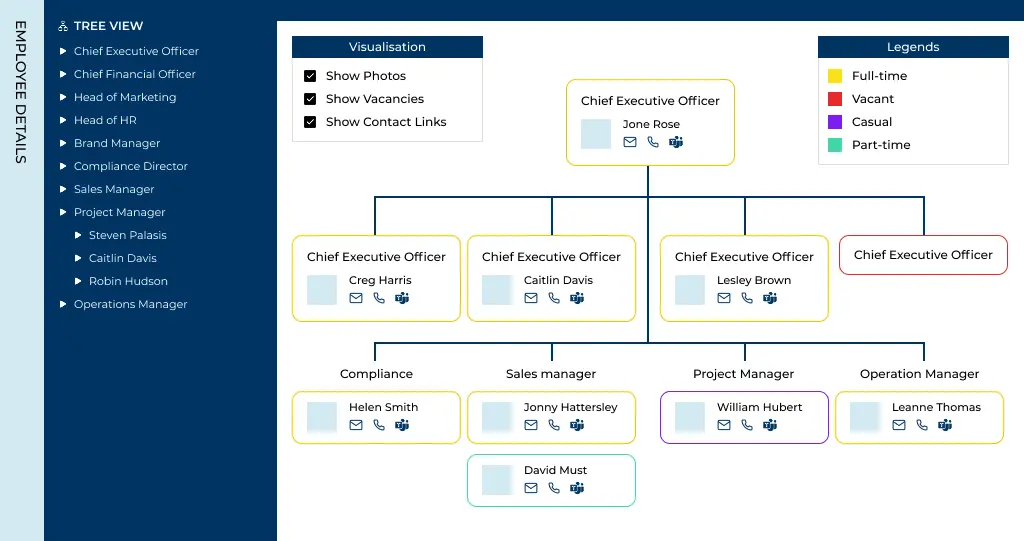
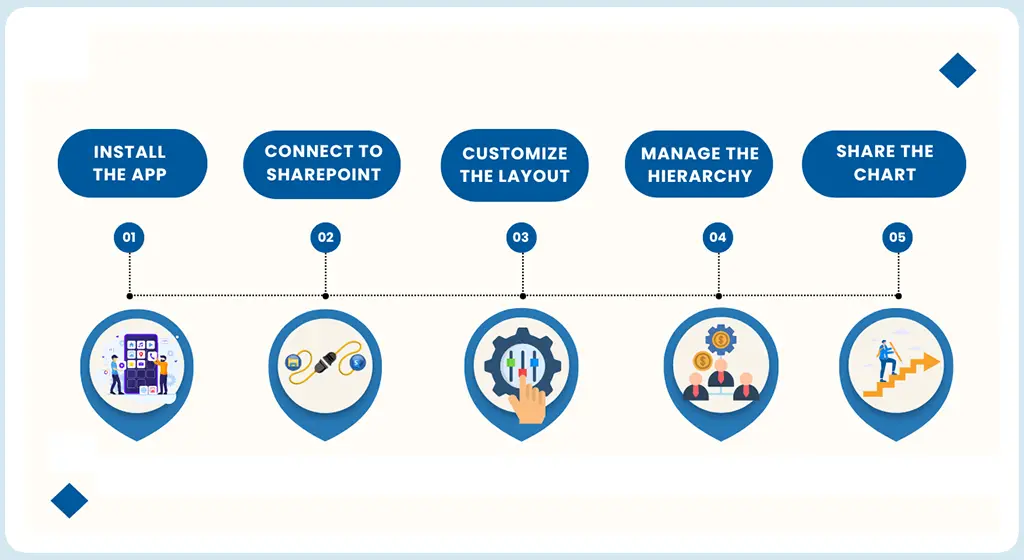
Keeping track of a complex dotted line org chart does not have to be a painful manual process. Beyond Intranet provides powerful SharePoint organization chart software designed to map out intricate matrix structures effortlessly. It replaces messy spreadsheets with a clean, interactive flowchart-style view.
Seamless Microsoft 365 Integration
Our solution pulls data directly from SharePoint User Profiles and Azure AD, ensuring your chart stays fully updated on its own. HR teams can instantly view employee profiles, see reporting lines, and use custom views like sky, circle, or oval layouts. It is a Microsoft-approved app that guarantees high security and scales smoothly as your enterprise grows.
Conclusion
Handling shared resources across multiple departments requires very smart system design. Enterprises must clearly map out roles and invest in teaching leaders how to influence others without formal authority. It becomes obvious why every company should have an organizational chart when you see how it transforms a secondary reporting dotted line from a source of conflict into a massive competitive advantage. The work to set it up is real, but the operational speed you gain is unmatched.
It means you receive guidance from a manager who lacks formal control over your primary job duties. They act as an advisor for specific projects without controlling your official performance reviews.
The main purpose is to share specialized knowledge across different parts of the company. It ensures large projects benefit from diverse skills without forcing you to hire new staff.
A dotted line represents a secondary reporting relationship. Understanding what an organizational chart does helps clarify that this manager provides project guidance without handling your official HR reviews.
In PowerPoint SmartArt, you cannot natively change solid lines to dotted ones. Instead, you must manually insert a standard line shape, connect the boxes, and change its dash style.