Expanding globally requires clear coordination among teams. Standardizing onboarding prevents compliance gaps and uneven experiences. To get regional flexibility and...
Summary: Traditional seating flaws are exposed with Hybrid work. Daily frustration, double-booked desks and what not organizations face without reliable...
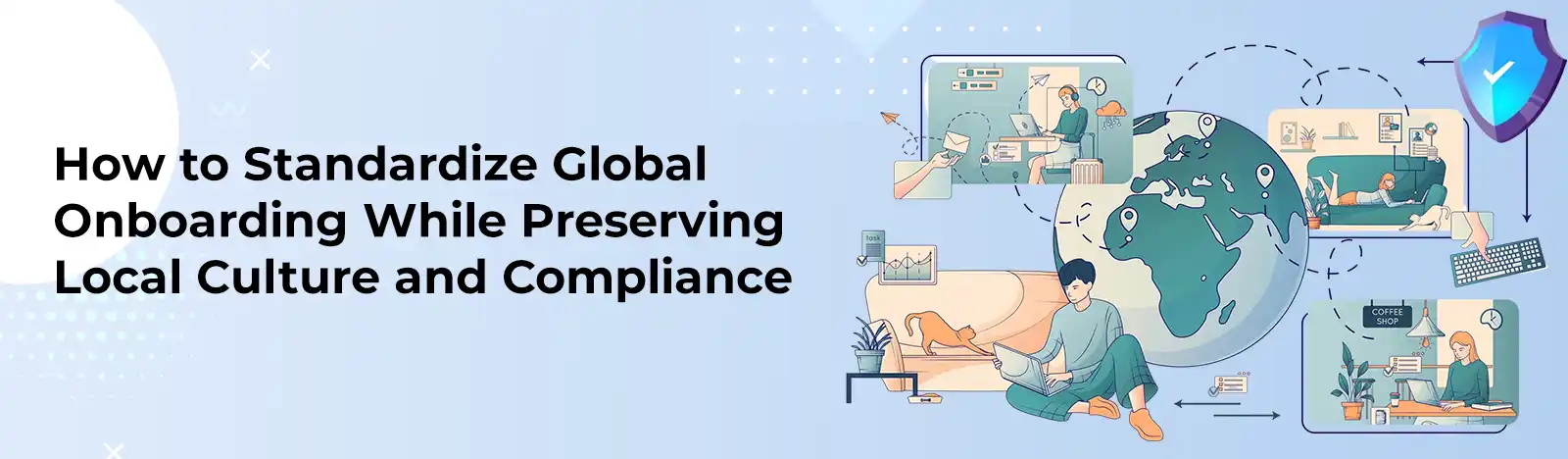
Expanding globally requires clear coordination among teams. Standardizing onboarding prevents compliance gaps and uneven experiences. To get regional flexibility and core consistency, a human resources onboarding software ensures that. Balancing local culture with unified processes drives retention, lowers risk, and maximizes workforce productivity worldwide for our teams.
Tackling Global Expansion
As leaders navigating global expansion, we face shared hurdles daily. One major test is getting new hires started right. When people join, they need clear guidance and warm welcomes. Surprisingly, only 22% of workers feel their onboarding exceeded expectations.
The Importance of Standardization
This gap creates massive risk for enterprises spanning different countries. Standardizing global onboarding prevents compliance gaps and uneven experiences. Proper HR onboarding software ensures core consistency while allowing necessary regional flexibility. Let us explore together how balancing local culture with unified processes drives retention and maximizes workforce productivity worldwide.
Challenges for Global Organizations
Regional Compliance Hurdles
Operating across different countries brings daily hurdles we all recognize. Different regions require unique compliance steps. Local teams need specific documents to stay compliant. When companies lack standard tools, operational gaps multiply fast.
The Critical First 90 Days
First 90 days decide long term retention success for any new hire. Disconnected systems often fail during this critical probationary period. Without structured paths, regional offices create rogue processes trying to survive. Disjointed experiences leave new hires confused about corporate priorities.
Bridging the Training Gap
We must recognize how localized silos hurt broader enterprise goals. Furthermore, 87% of workers believe ongoing training is essential to adapt. When initial training is messy, new hires feel unsupported. Across IT, HR, compliance teams, deep cooperation is required to build unified baselines. Not easy, but absolutely necessary when it comes to growth.
Risks of Non-Standard Onboarding
Operational and Security Hazards
Fragmented processes expose global teams to serious operational hazards. Think about how inconsistent training creates huge liability. When local teams manually manage policy signoffs, central auditing becomes nearly impossible. Nonstandard routines invite data privacy issues and regulatory fines. Manual onboarding delays expose network security risks for remote users everywhere.
The Value of Compliance Investments
Compliance investments actually bring solid returns over time. Standardizing core compliance steps lowers enterprise risk significantly. High turnover disrupts workflow, wastes recruitment spend, and limits strategic workforce planning.
Protecting Company Assets
Unifying these steps protects both employees and company assets. We owe it to our teams to provide secure, structured environments from day one. Preventing these risks early saves countless headaches later.
Framework to Design Global Onboarding Templates
Separating Core Needs from Local Variations
Designing effective global templates means separating core corporate needs from local variations. We must establish foundational steps required universally across all branches. These include:
Cybersecurity training modules
Corporate code of conduct signoffs
Global system access provisioning
Building Modular Local Variants
Next, we build modular local variants tailored strictly by country, department, or specific job role. Phased standardization helps new hires reach productivity faster without feeling overwhelmed. Structuring orientation tasks through centralized tracking ensures core corporate consistency. It also keeps necessary regional touches alive.
Structuring Orientation Tasks
Companies prioritizing career support via onboarding see higher internal mobility. Framework design must cover preboarding, day one orientation, initial role training, and long term cultural integration. Guided journeys make new team members feel valued immediately upon arrival.
Role of HR Onboarding Software in Microsoft 365
Streamlining Regional Workflows
Using intelligent tools within Microsoft 365 environments changes regional workflow management completely. Central platforms manage region based workflows, language translations, and local documents easily. Smart technology reduces onboarding by 30% for new hires. Integrating compliance tasks directly into existing digital workspaces removes user friction.
Enhancing Security and Visibility
Automated user creation in Azure Active Directory ensures secure network access instantly. Modern human resources onboarding software gives real time visibility into task completion rates across diverse global teams. Smart dashboards let IT directors monitor compliance status, track overdue tasks, and analyze progress clearly.
Empowering HR Teams
Seamless integration empowers teams to focus on people rather than paperwork. We want our HR professionals building relationships, not chasing missing signatures
Examples of Standardized Structure with Local Flexibility
Balancing Compliance and Culture
Successful global integration strategies combine strict legal compliance with genuine cultural empathy. For example, European hires automatically receive mandatory GDPR consent forms during preboarding. US counterparts receive state specific tax forms alongside healthcare enrollment details. Both groups complete universal corporate culture modules concurrently.
Dynamic Localization in Action
Local mentors get assigned automatically based on office location, building immediate personal connections. Region specific holiday schedules and facility access protocols trigger dynamically based on user location data. Standard corporate structures house local content securely.
Hybrid Approaches for Better Integration
Hybrid approaches ensure headquarters keeps compliance visibility while local branches deliver personalized welcoming experiences. Balanced approaches respect individual backgrounds while maintaining essential corporate standards. This way, everyone feels included while staying fully compliant.
How Beyond Intranet Can Help
Intelligent Platform for M365
Building smooth global transitions requires strong technology support from trusted partners. Beyond Intranet delivers an intelligent employee onboarding platform built specifically for Microsoft 365. Digitize workflows, gather necessary compliance tasks, and skip manual verification checks completely. System administrators easily create custom journeys based on location, department, and work level.
Centralized Global Database
Tasks advance automatically upon completion, ensuring smooth transitions between orientation phases. Integrating modern HR Directory software centralizes global employee database management. Advanced search capabilities let new hires navigate complex organizational structures instantly.
Fostering Cross Border Teamwork
Real time presence updates synced directly with Microsoft Teams foster immediate cross border teamwork. Modern tools simplify complex administrative burdens securely, letting leaders focus on strategic growth.
Conclusion
Building Reliable Foundations
Standardizing global onboarding does not mean erasing local culture. It means building reliable foundations where local teams can safely add unique cultural touches. By adopting flexible employee onboarding tools, enterprise leaders protect organizations from compliance risks while giving new hires warm, consistent welcomes worldwide.
Setting Stages for Success
Embracing structured flexibility sets stages for long term employee success and stronger global alignment. When we prioritize clear communication and accessible technology, everyone wins. Let us build workplaces where every new hire thrives from day one, knowing they have full support from leadership.