
What Is Preboarding? Meaning, Process & Benefits of Pre-Onboarding
By beyondintranet / April 8, 2026
Introduction Preboarding is no longer a formality and an administrative task. It is the need of the hour, and if...
Read More



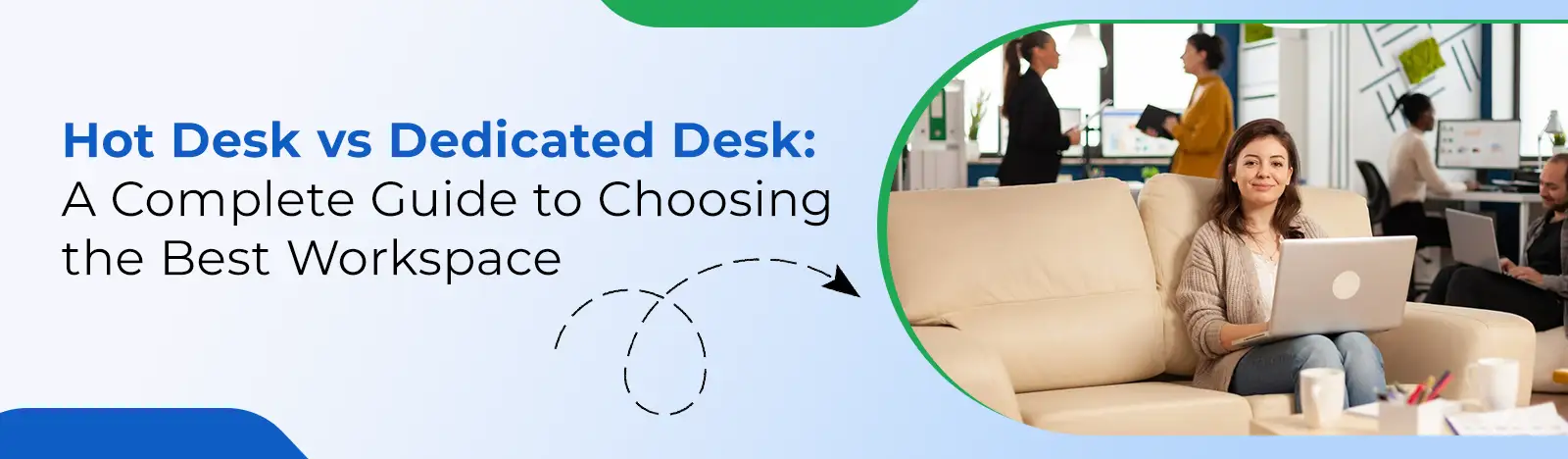
These days, most offices have ditched those old, fixed seating charts. Workspaces are changing fast. Companies keep rethinking how they set up desks, how people use them, and what actually works. Hybrid setups are everywhere now. Naturally, everyone’s talking about hot desks versus dedicated desks—what’s better for employees, really?
It’s not just about saving space. Picking the right setup can boost productivity, keep people happier at work, and even save money. Here’s your no-nonsense guide to finding the best workspace for your team.
Refer to the quick summary below and make a smarter decision by the end of this article:
What workplace fits your company?
Before moving forward into the debate of hot desk vs dedicated desk, consider the following:
– Do your employees rotate between home and office?
– Is cost optimization a top priority?
– Do roles require permanent monitors, storage, or specialized equipment?
– Is privacy or handling sensitive information critical?
– Do you rely on structured scheduling or fixed booking?
A smart system with fixed booking options can support both models efficiently.
In short:
Choose consistency for focus and flexibility for agility.
Or merge both, if your workplace demands balance.
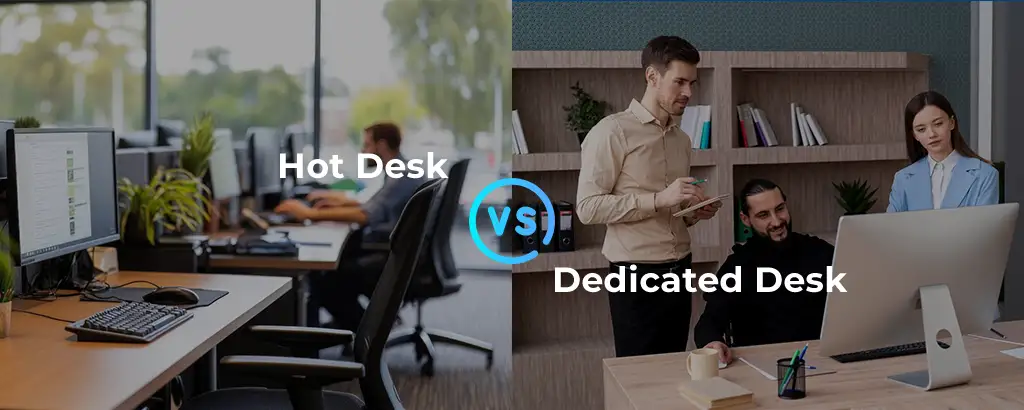
The hot desk vs. dedicated desk comparison appears straightforward at first: assigned seating versus shared desk. However, operationally, that has a significant impact.
| Feature | Hot Desk | Dedicated Desk |
| Desk Ownership | Shared daily | Permanently assigned |
| Personal Items | Not retained | Allowed |
| Booking Method | Flexible booking | Reserved or fixed |
| Cost | Lower | Higher |
| Best For | Hybrid teams | Full-time office users |
Hot desks operate on availability. Employees book a space when needed. Dedicated desks remain reserved for a specific individual, often with fixed booking arrangements.
Cost:
Hot desks allow companies to reduce total desk count since not everyone is in the office simultaneously, resulting in lower infrastructure expenses, utility, and rental costs. Dedicated desks require more square footage per employee. While this increases cost, it offers stability and ownership.
A digital desk booking software solution is what helps track usage and get rid of waste for businesses looking to maximize space utilization.
Want to reduce workspace costs without compromising productivity?
Explore our intelligent desk management solutionFlexibility is where hot desks truly shine. Workers can select different locations based on tasks or requirements for teamwork. Agile workflows are supported, and cross-team interaction is encouraged.
Some employees tend to gain enhanced focus and consistency by sitting in the same place. Dedicated desks might be less adaptable, but they offer consistency.

If flexibility is a priority, implementing the right desk booking system ensures seamless reservations without confusion.
Hot desks do not provide privacy. Also, they typically follow a clean-desk policy; employees clear their space after use. This keeps areas organized but limits personalization.
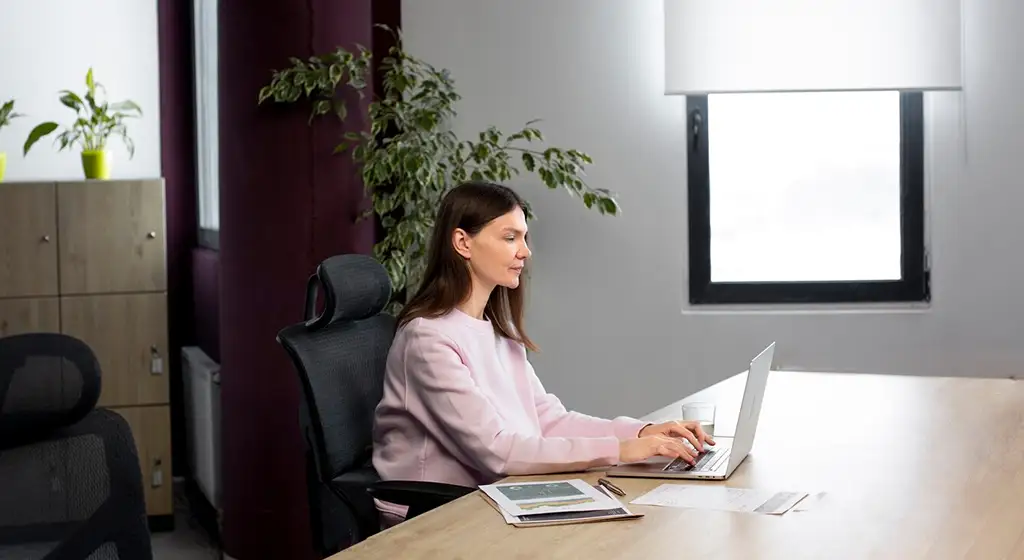
Monitors, ergonomic add-ons, and even individual décor, dedicated desks tend to be more personalised for each employee. This consistency matters for the roles handling sensitive data or requiring specific equipment.
Hot desks foster movement and interaction. Employees meet new colleagues regularly, strengthening collaboration across departments.

Dedicated desks promote structure. Teams often sit together consistently, creating deeper departmental alignment.
The best time to choose either of them
Here’s a quick comparison to simplify your decision:
| Business Scenario | Recommended Option |
| Hybrid workforce | Hot Desk |
| Cost optimization priority | Hot Desk |
| High equipment dependency | Dedicated Desk |
| Data privacy needs | Dedicated Desk |
| Rapid team scaling | Hot Desk |
| Long-term in-office roles | Dedicated Desk |
The goal isn’t to pick one universally; it’s to align workspace strategy with business needs.
Hot desks turn out to be the best when supported by strong technology and clear policies.
Organizations sometimes also consider adopting a hybrid approach by combining both setups to balance flexibility and focus.
The comparison between a dedicated desk and a hot desk is more about strategy than it is about furniture. Designing workplaces around employee behavior, operational goals, and long-term growth are the signs of a smart company. When you choose the right digital platform, it becomes easier to manage both models with no wasted space and confusion.
Have questions or plan your workspace transformation? Connect with our experts today
Contact us.The future of work isn’t fixed. Your workspace strategy shouldn’t be either.