
What Is Preboarding? Meaning, Process & Benefits of Pre-Onboarding
By beyondintranet / April 8, 2026
Introduction Preboarding is no longer a formality and an administrative task. It is the need of the hour, and if...
Read More

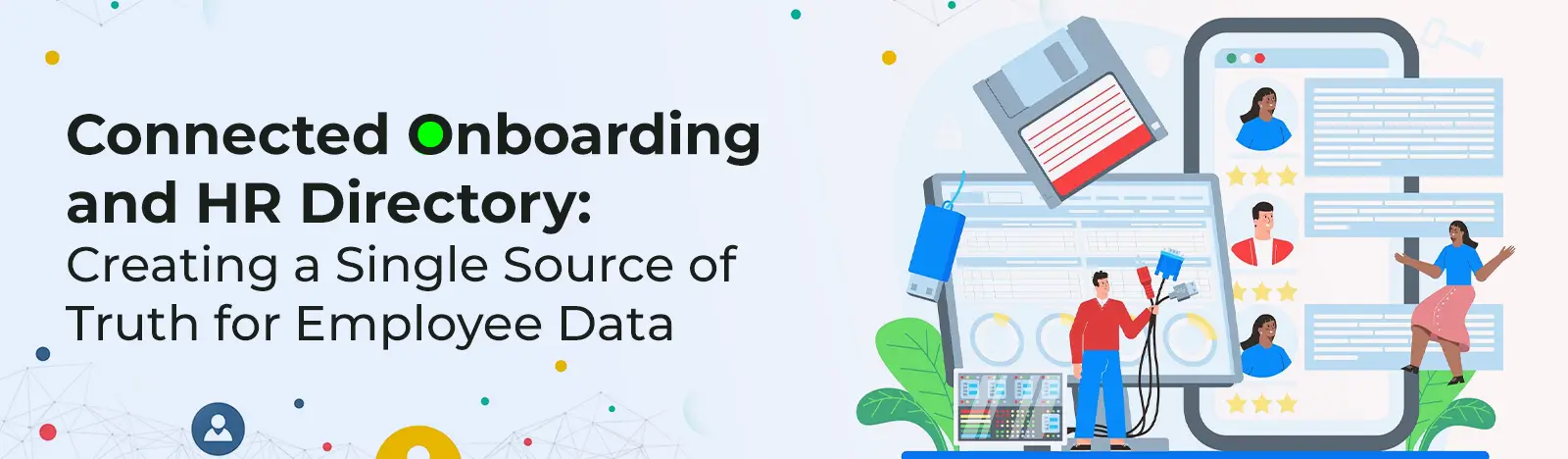


Summary: Managing a hybrid workforce on static spreadsheets just doesn’t work anymore. It creates risks and slows down decisions. This guide offers a clear, practical business case for IT and HR leaders to modernize people data using a centralized, Microsoft 365-integrated directory.
Fragmented. That is the reality of enterprise people data right now. We know 66 percent of digital workers believe they’d get better outcomes if IT just provided the right applications. Yet we still manage hybrid teams on spreadsheets. Deploying modern employee directory software is how we actually cure that operational paralysis.
Let’s be honest—static lists just can’t keep up with the amount of change happening in our workforce today. Reporting lines and locations shift constantly. It requires a level of cooperation that spreadsheets simply can’t handle. McKinsey research points out that interaction workers waste nearly 20% of their workweek just trying to track down internal information or find colleagues. When you rely on Excel, version confusion creates deep trust issues around data accuracy. You essentially turn your highly skilled HR and IT folks into a manual data cleanup crew. It’s just not an efficient way to run things.
Business impact hits you where it hurts when critical people data is scattered across email attachments and local drives.
If you want to get executive buy-in, you have to build a business case grounded in reality. That doesn’t sound easy. And no, it’s not. But hey, here is a practical framework to get it done.
Moving to a new system means taking governance seriously. You have to protect sensitive info to maintain trust.
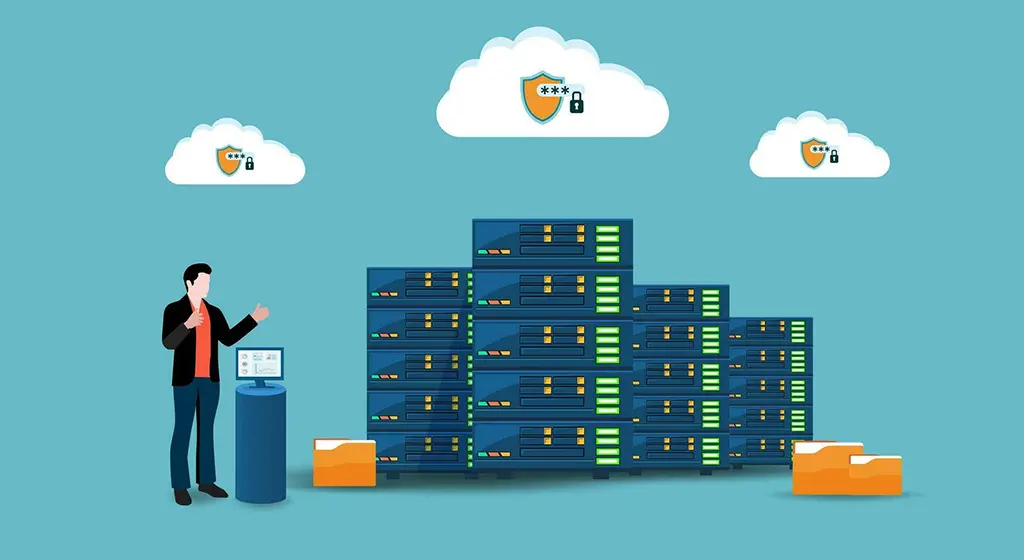
A modern employee/staff/HR directory software has to be a rock-solid, centralized source of truth. To really get value out of it, the platform needs to deliver on a few core fronts:
It has to unite the whole organization, killing off those scattered legacy spreadsheets once and for all.
You need dynamic filtering so people can search by role, department, specific skills, or location without friction.
Deep SharePoint employee directory integration is key. It keeps your users securely within the ecosystem they already know.
The best employee directory software gives you strong privacy controls and automated syncing without dumping more admin work on your current teams.
Deploying the software isn’t the finish line. An employee directory application only transforms your business if people actually use it.
Give both groups shared ownership of the rollout. You need that cross-functional alignment right out of the gate.
Put the directory right into the tools your teams use every single day. Stop making them switch contexts.
Make data freshness visible. Encourage your staff to keep their skills and project experience completely updated.
Watch your search volumes, look for that drop in IT tickets, and track how much faster onboarding gets. We have a generation speaking out, demanding better digital tools, and leadership has to respond.
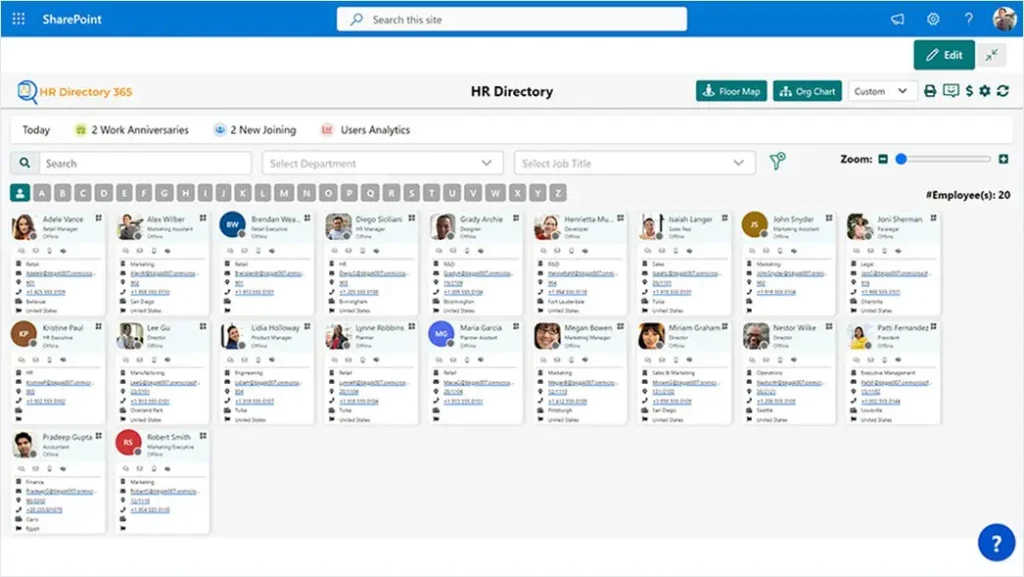
Making the case to ditch spreadsheets is step one. Executing it with the right tech is how you actually guarantee the ROI. Transitioning requires a solution that minimizes friction and maximizes adoption.
Beyond Intranet bridges that gap by pulling all your personnel data into one easy-to-use employee database software platform, stripping away the IT headaches.
Our tool lets your teams find the exact colleague they need instantly, using smart filtering and advanced search parameters.
Built natively on the modern SPFx framework, our SharePoint employee directory app gives you incredibly fast page loads, no matter how massive your database is.
With a clean, highly intuitive UI, you get the adoption rates you need while keeping development costs down, ultimately lowering your overall directory 365 spend.
Moving off static spreadsheets isn’t just a cosmetic fix; it’s a strategic necessity. Centralized workforce visibility accelerates your decision-making, tightens data governance, and drives real operational efficiency. Honestly, I have a bias to believe this kind of innovation truly solves these challenges.